Anthropometrics &
Ergonomics.
Research into human scale, body dimensions and ergonomic principles as they apply to chair design.
Anthropometrics & Ergonomics
Research into human scale, body dimensions and ergonomic principles as they apply to chair design. Exploring how designers respond to the physical dimensions of the human body and what it means to design for the body rather than around it.
Part 1
What Is Human Scale?
My thoughts on human scale in design is to recognise the natural positions, genetic evolutions, and physical properties of the human body. Designers need to consider the proportions of components within a design to suit how a human can interact with it. For example, a basketball cannot be too big or a human can't hold it properly, or too small to where they have no control on its surface. Design can't be focused around the body but have the body part of it, because in most products designed in the world, humans have a physical attachment to it, hence humans are a component of the product; if the human doesn't have a connection from their body to the product's body, then the design has failed from a human scale point of view. Overall, humans are a component of the product and design needs to be suitable for them to physically connect with the object naturally.
P2 · Q1
What anthropometric data is most relevant to seating design?
Popliteal height: For regular chairs it's when your bottom is parallel with the ground, and knees at a right angle, leaving negative space between your thighs and the floor. For more comfort, this negative space is reduced, making you feel more grounded and relaxed. Again, the opposite can be said for bar stools increase this popliteal height and introduce a bar for foot rest, and you have a high stool. Typically this makes it easier to return to a standing position. Additionally, a higher popliteal height when sitting is great to maintain eye level with someone standing.
Buttock-popliteal length: Has to be proportional with the size of thighs. If too long, your knees can't bend when the back is touching the backrest, or if too short, there's excessive weight being put on one part of your bottom which becomes uncomfortable. Designed to be shorter so that there's room behind the calf and not an uncomfortable piercing in the back of the calf.
Hip breadth: Designed to be slightly oversized as most chairs have a concavity in the centre which aligns with the curvature of the human bottom. The oversized sides also account for comfort, as there should be no interaction with falling off the sides of the chair causing an unwanted sharp edge feeling on the sides of the thighs. Additionally, being oversized allows for a larger percentile of human anatomy to comfortably fit within the constraints without feeling the edge of the chair.
Lumbar height: The natural posture of a human lower back is to curve inward, creating a concave spinal structure that eventually bends back out near the top. Hence the lumbar support needs to be designed to follow the curvature of the lower back spinal bend. Lumbar support should be bulged into the lower back and eventually curving backwards near the upper section of the back. This anthropometric data is not seen commonly in most general chairs but is focused on in comfort or long-seating chairs such as office chairs, "ergonomic" chairs, or natural chairs like foam or bean bags which mould to the spine curvature.
Elbow rest height: An important factor for generational office chairs, as this has a direct effect on tasks done while in the chair such as writing, reading, or modern computing. Having this too high can cause strain on the upper shoulders, and having it too low causes slouching as the body tries to compensate by dropping your arms and subsequently the upper back.
P2 · Q2
Why is this data meaningful for comfort, posture, and health?
Knowing this data is extremely important in design, because it allows humans to interact with objects in a way where there's no thought about how to use the item or even think about the product. The phrase "best design is unrecognised" links truly to anthropometric data because when something works so well, we don't need to recognise it. Recognition happens when an object causes our brain to think in negative ways, hence health is a factor for this when we recognise slouching, a sore body, or uncomfortable hurting positions.
P2 · Q3
How do regional differences in body dimensions affect chair design?
Regional differences can't be something a designer can compensate for every single human ever created, as their physical anatomy is different in every culture and within genders. Therefore the effect it can have on chair design isn't a whole lot, unless the designer specifically targets a human region. Typically an average collection of anthropometric data is used.
P2 · Q4
What are the consequences of poor ergonomic design?
Consequences for poor design links back to not utilising anthropometrics properly. Common problems like discomfort after a short length of time is a clear factor of poor design. Continuing to sit in an uncomfortable state can lead to problems such as back pain from slouching, neck strains, bottom pain, and shoulder pain.
Part 3
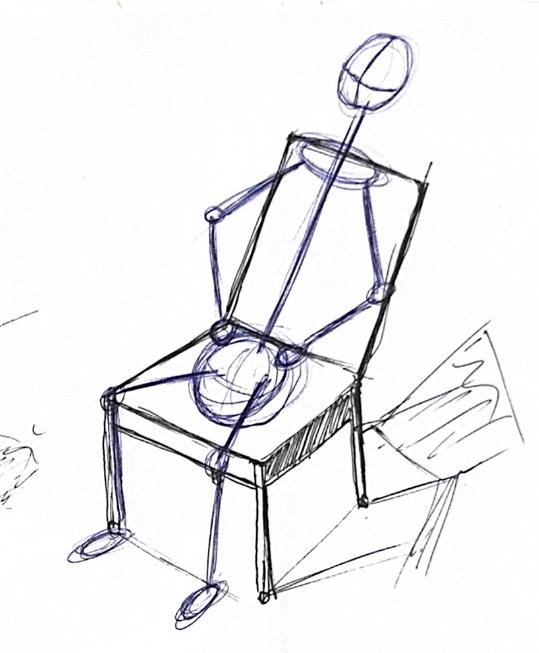
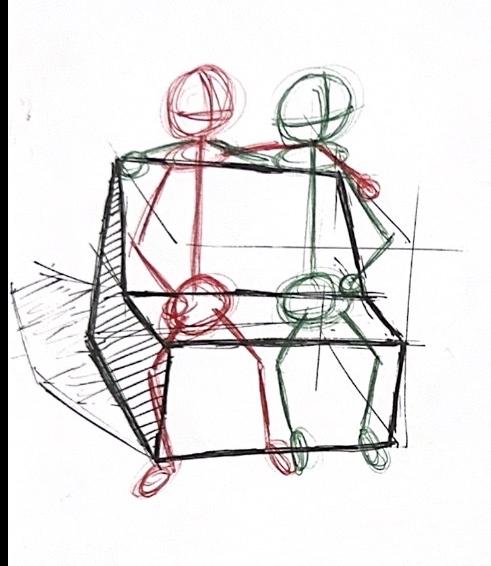
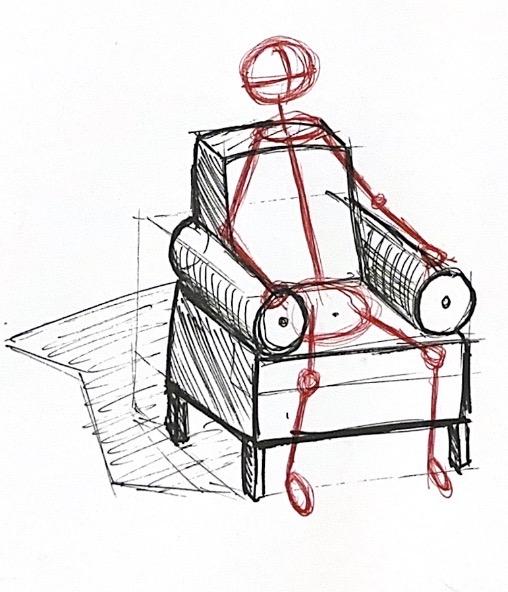
Annotated Sketch — Human Scale & Chair Dimensions
Human in Chair Sketches
Sketches exploring how the human body relates to chair form, proportion and ergonomics.
.png)
Seat Investigation
On-site measurement of chairs at furniture stores, recording key anthropometric dimensions and observations for each seat.
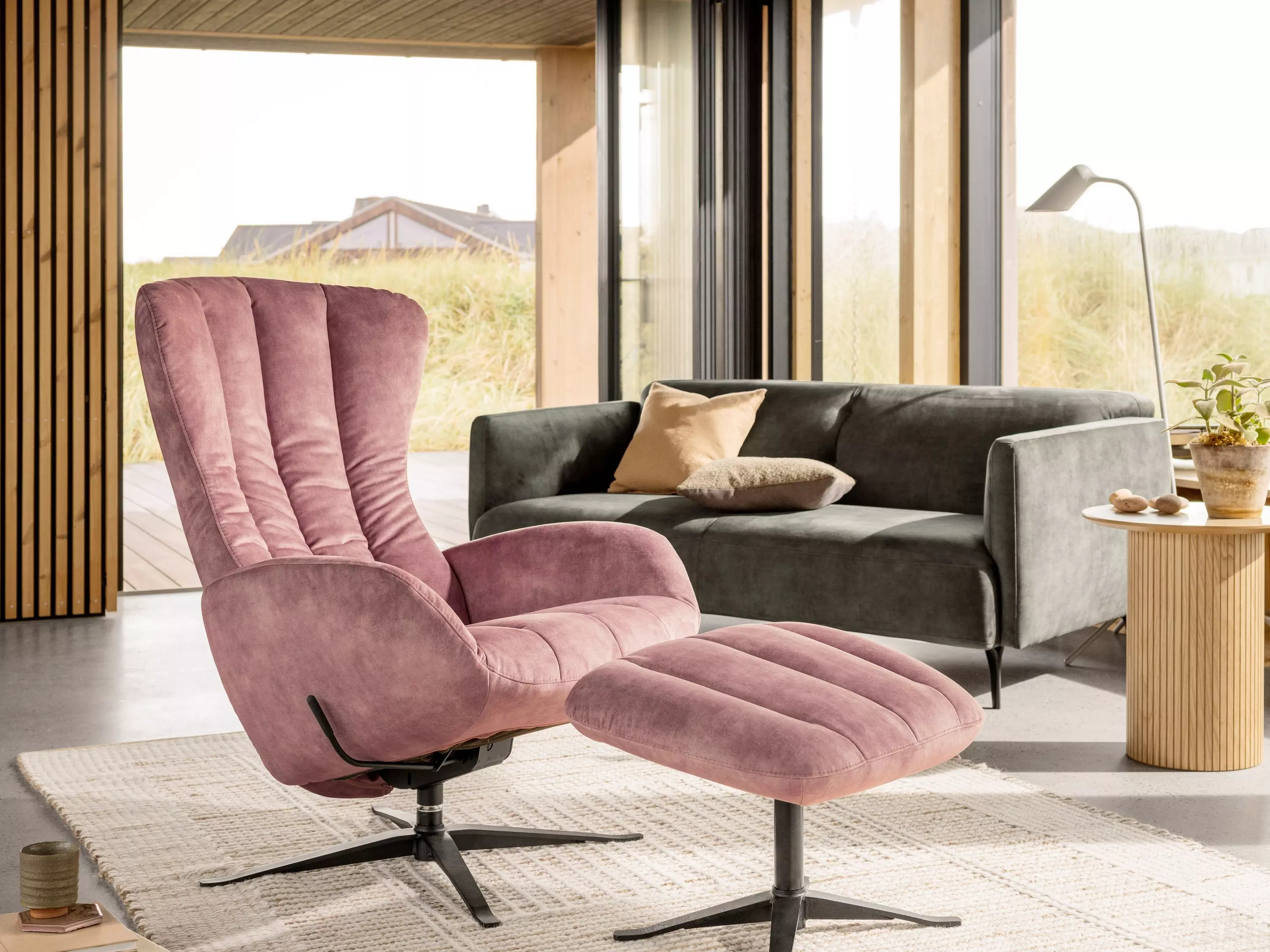
Tilburg Living Chair
By Frans Schrofer · BoConcept
| Measurement | Value (mm) |
|---|---|
| Seat height | 300 |
| Seat depth | 460 |
| Seat width | 450 |
| Backrest height | 760 |
| Armrest height | 180 |
| Angle of seat | 11° |
| Angle of backrest | Base 37° · Mid 27° · Top 10° |
I appreciated that the angle between the seat and backrest was at 90°, keeping your back in a suitable upright position. However, tilting the entire form backwards at 11° helps transfer movement from the bottom onto the back. Paired with the harmonious leg rest at an inverse but equal 11° angle, the chair has a pleasing symmetry, allowing the legs to be pulled out and down by gravity, helping to relax the feet.
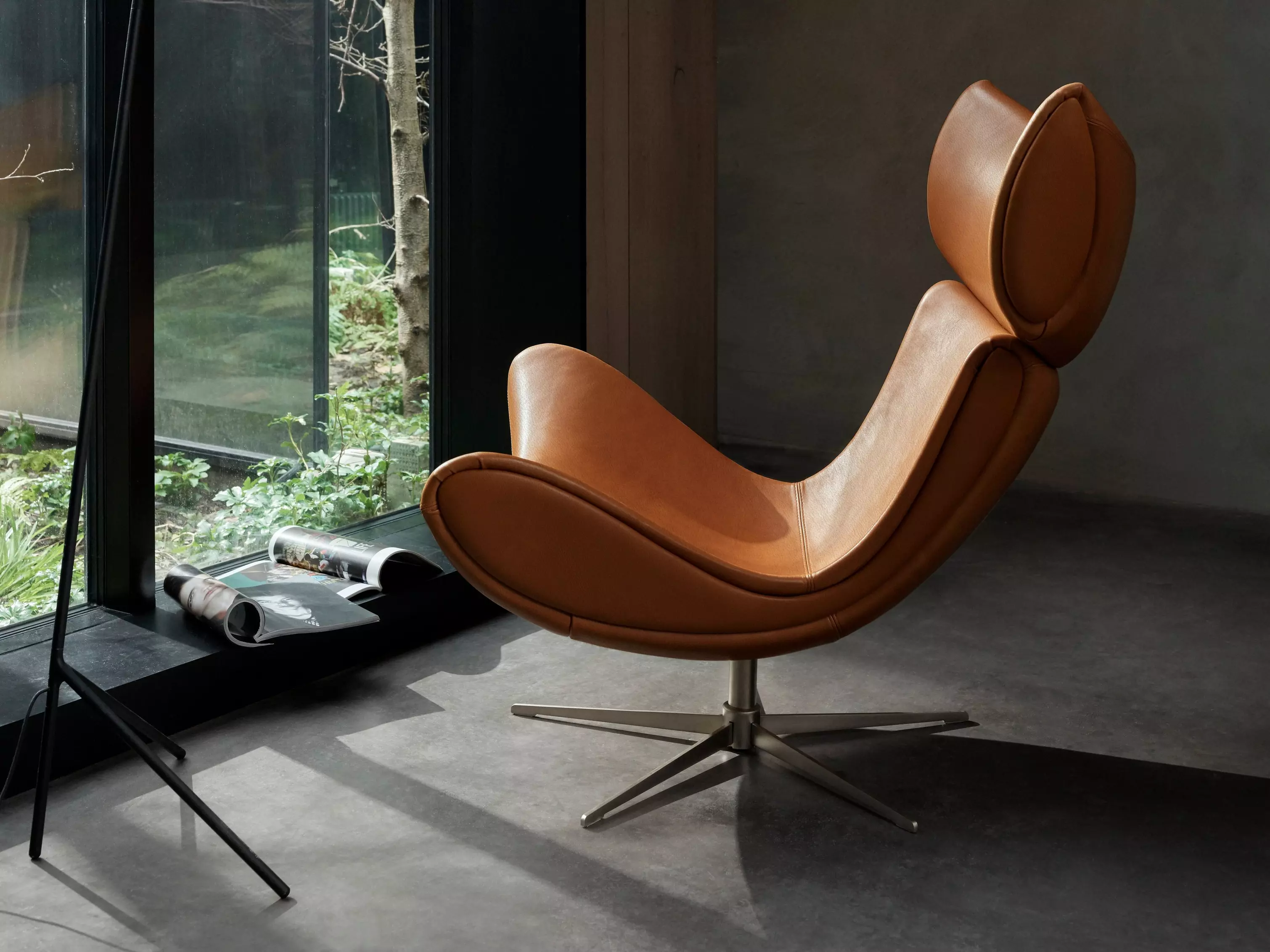
Imola Chair
By Henrik Pedersen · BoConcept
| Measurement | Value (mm) |
|---|---|
| Seat height | 200 |
| Seat depth | 490 |
| Seat width | 550 |
| Backrest height | 800 |
| Armrest height | N/A |
| Angle of seat | 20° |
| Angle of backrest | 31° |
The seamless form is the most eye-catching feature. The staff at BoConcept mentioned the design was based on a tennis ball. The concavity of the sides towards the middle helps funnel the person into the chair, rather than relying on them to find comfort themselves. The deeper seat and raised knees feel more comfortable and shift weight backwards rather than forwards, helping to apply pressure on your back more evenly while taking weight off your knees.
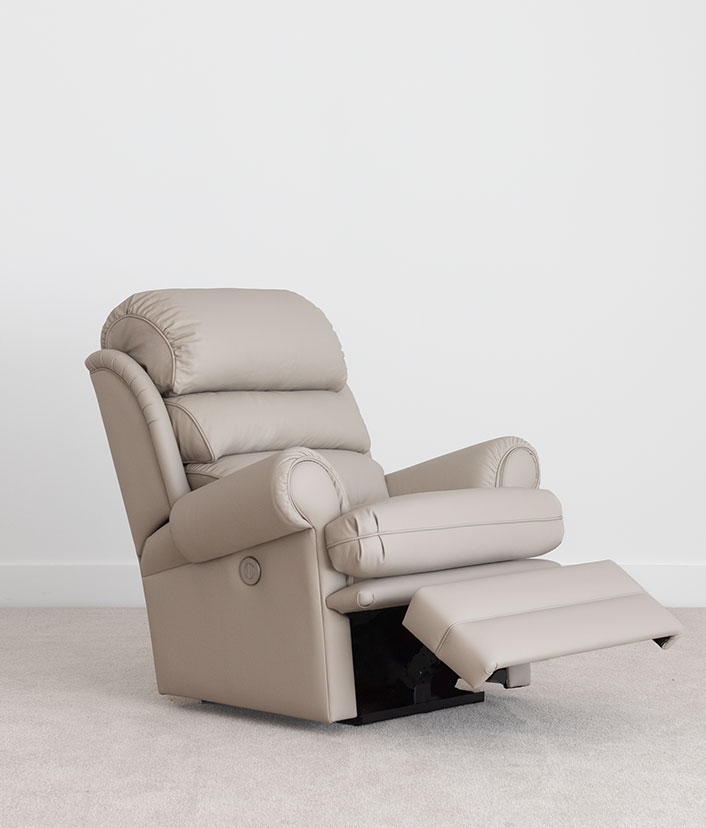
Purcell Reclining Chair
By Nordic Design
| Measurement | Value (mm) |
|---|---|
| Seat height | 420 |
| Seat depth | 470 |
| Seat width | 470 |
| Backrest height | 650 |
| Armrest height | 200 |
| Angle of seat | 11° |
| Angle of backrest | 35° |
The most interesting part of this chair analysis was how standard the design was. No unique form, just a basic right-angle chair. Utilising simple design with a mechanism that completely transforms the angle of the foot and backrests helps a person tastefully find a comfortable position for any activity, whether that's sitting up watching TV or laying back for a nap. Recliners are such a staple product for great relaxation and hold so much value in their customisable rest position. Additionally, this adaptability helps suit a greater range of body sizes and attracts a wider spread of human anthropometrics.
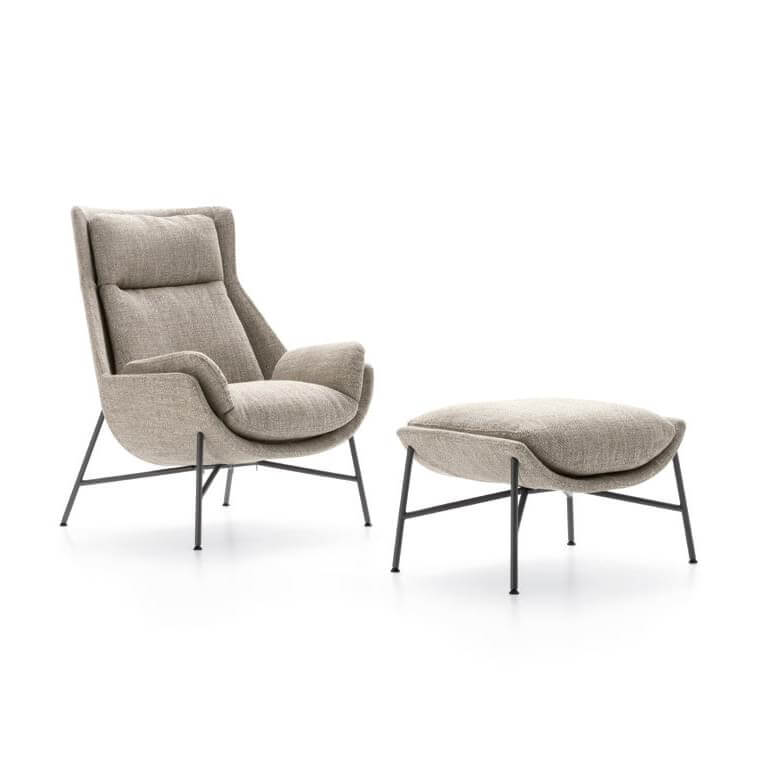
Beetle Chair
By Zest
| Measurement | Value (mm) |
|---|---|
| Seat height | 430 |
| Seat depth | 520 |
| Seat width | 400 |
| Backrest height | 740 |
| Armrest height | 180 |
| Angle of seat | 7° |
| Angle of backrest | 30° |
Upon sitting in this chair, the first thing that came to mind was "it's hugging me". The use of a smaller seat width compared to all the other chairs I researched helped apply pressure around the whole lower body, making it feel like the chair hugs you and gives the user a sense of comfort and relaxation. In addition, the harsh transition between the back and seat allows you to sink into that crevice, letting that hugging feeling really take effect. Another feature I noticed was how strong and rigid the chair's structure was. When you pair this with a soft, spongy material, you get a nicely grounded feel combined with soft comfort against your body.
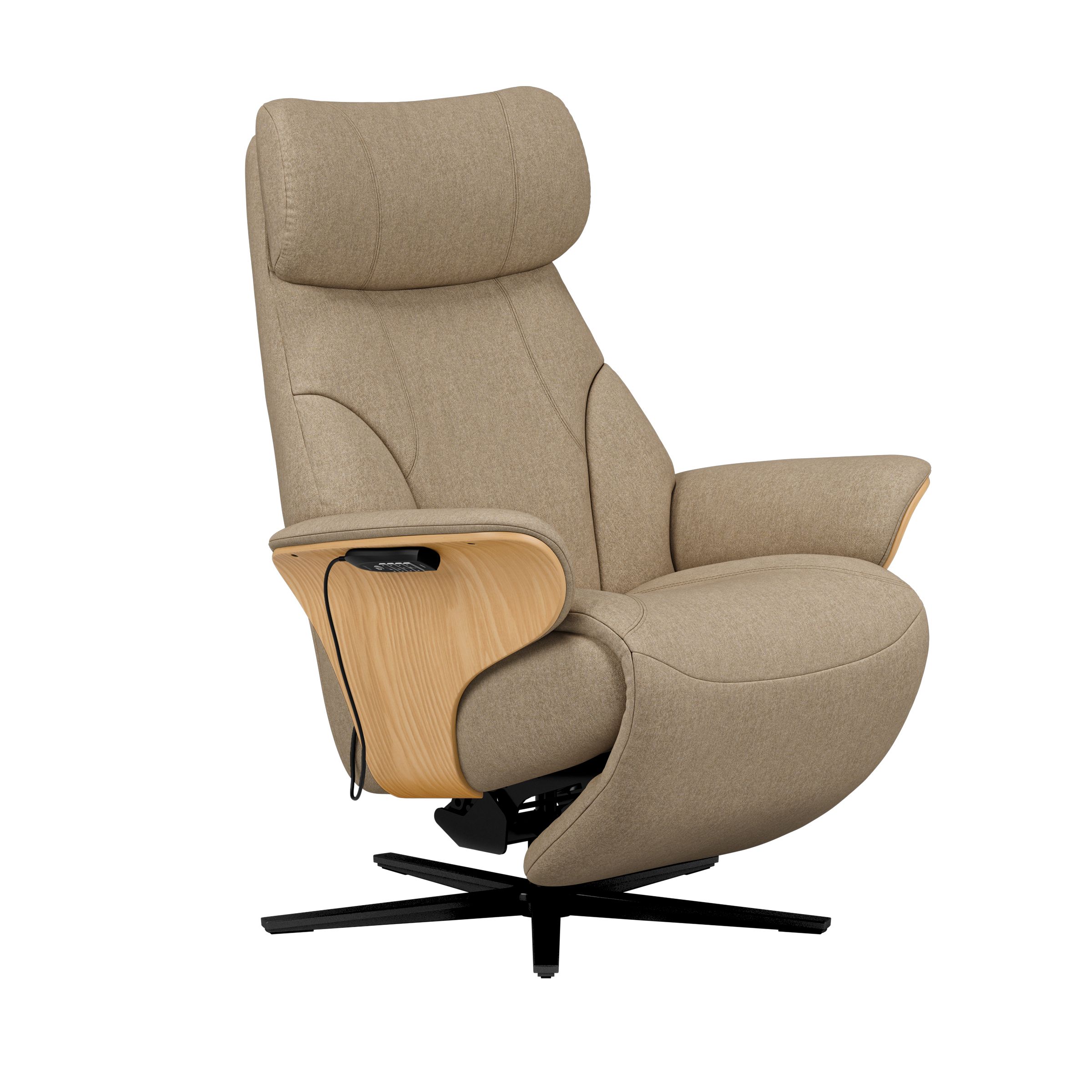
Stressless Adam
Stressless
| Measurement | Value (mm) |
|---|---|
| Seat height | 470 |
| Seat depth | 480 |
| Seat width | 520 |
| Backrest height | 500 + 350 headrest |
| Armrest height | 140 |
| Angle of seat | 16° |
| Angle of backrest | 35° |
This chair is true to its name and takes reclining to the next level. It was the first hero piece when walking into the shop, with a banner behind it explaining the product. What resonated with me was a sentence written in the product description: "having your knees higher than your heart for ultimate comfort". The multi-functional recliner allows you to move the back, seat and footrest independently, letting you customise comfort in any way possible. This multi-reclining feature allows you to really kick your legs up in the air, raise them higher than your heart and experience a new type of comfort you simply cannot get from any other chair.
Reflection
What did this investigation reveal?
[INSERT REFLECTION HERE]