Cardboard Chair
Research.
Research, material testing and visual exploration carried out in preparation for designing and building the final cardboard chair.
Cardboard Bridge
Designing and constructing a cardboard bridge spanning 300mm, built to support 10kg using no glue or tape. Only folding, slotting and interlocking techniques were used.
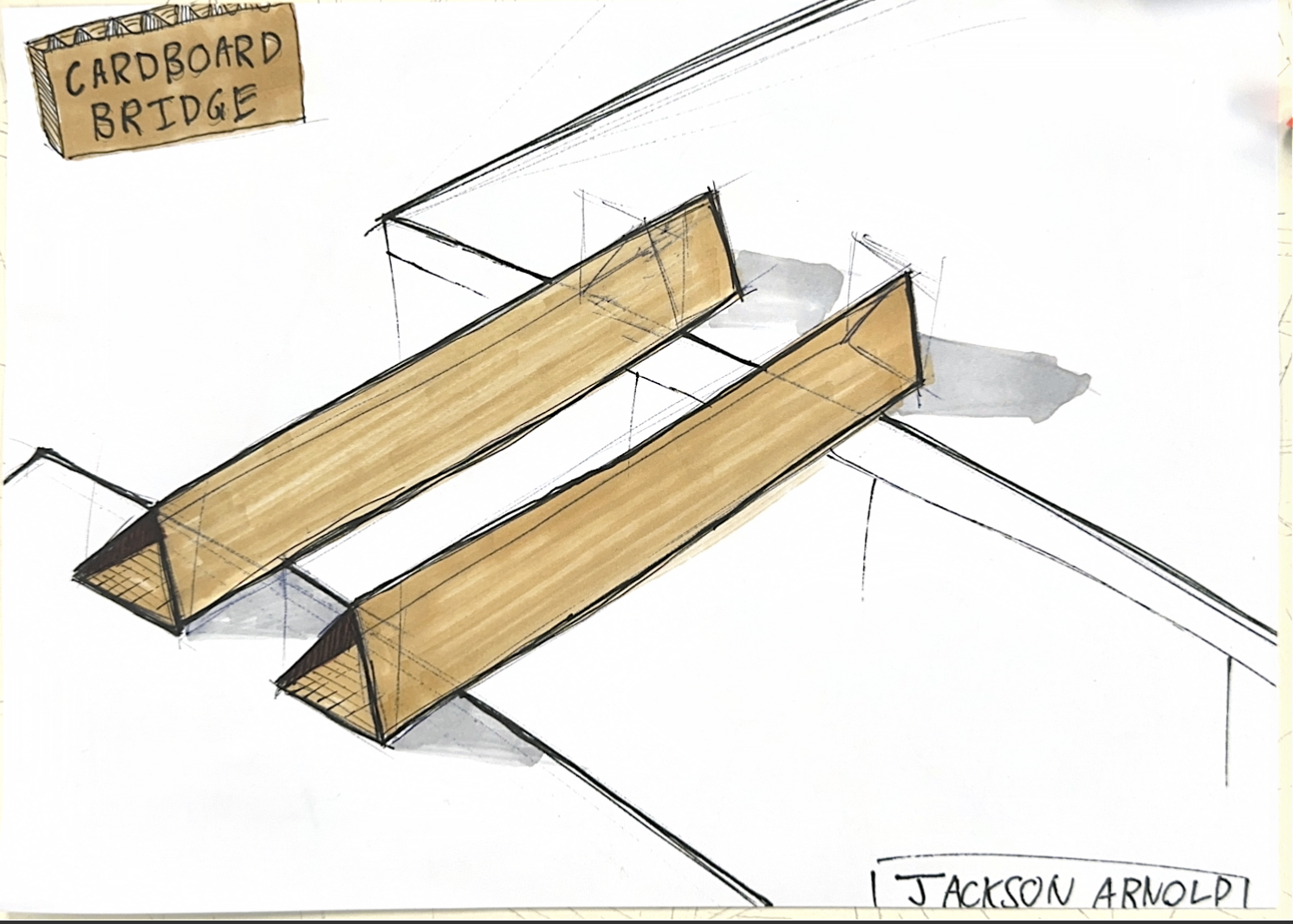 Bridge Sketch
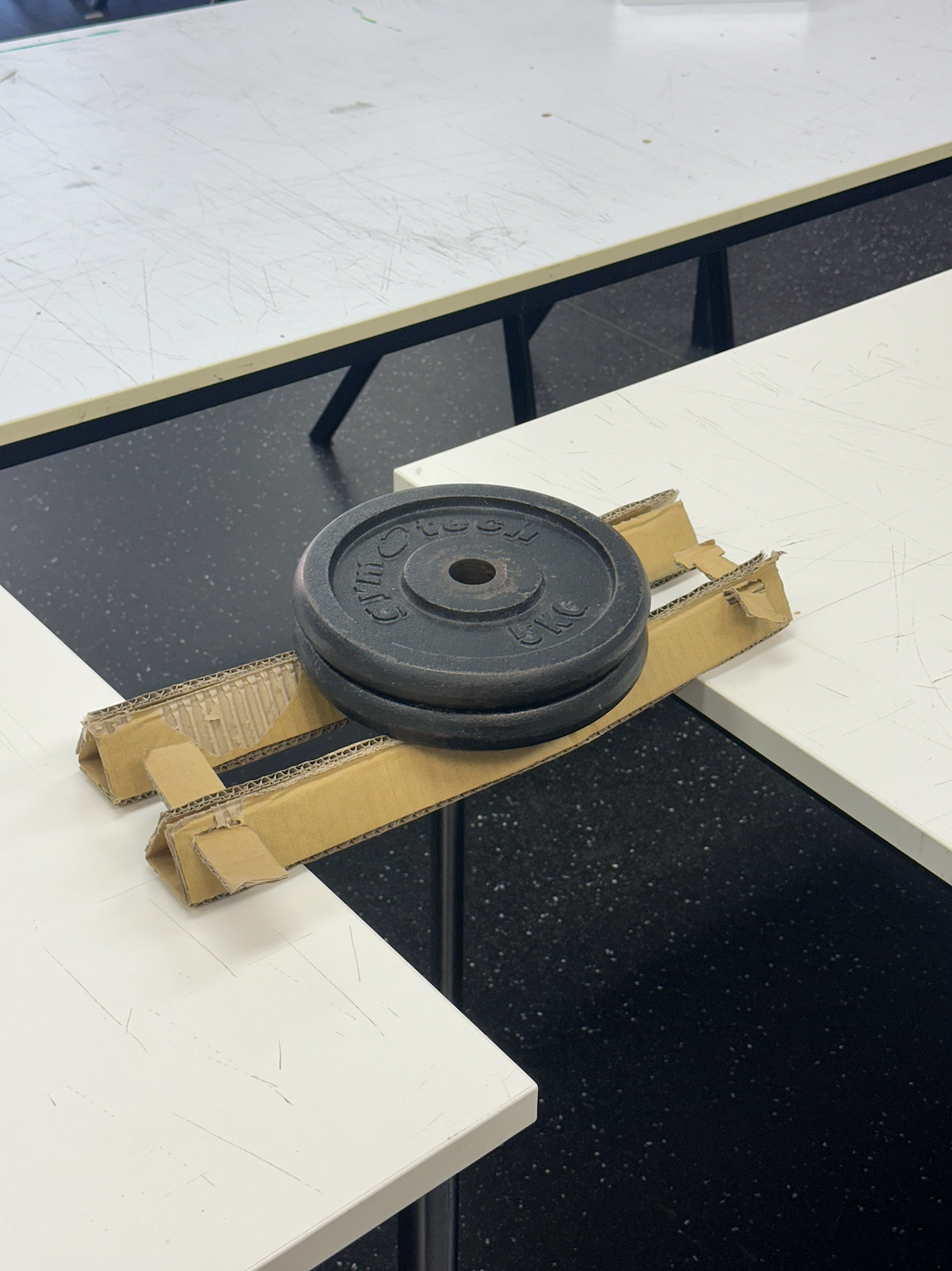 Holding 10kg
Design Strategy
Initially I thought of utilising triangular prisms, as triangles are the strongest shape. For balance, I decided to use two identical prisms where each one holds an equal weight on either side of the circular dumbbells.
Observations
Upon placing the first dumbbell the bridge did not change form. However, when placing the second 5kg, the bridge started to bend where the edge of the dumbbell made contact with it. Despite this, the bridge held up and kept its form really well.
Material Behaviour
Using end grain helps hold the object up without getting crushed, which will be useful for the chair project. Where force is applied downwards, end grain should be oriented parallel to that force.
Material Testing
An exploration of pizza box cardboard through scoring, cutting, bending and shaping. Building material awareness of texture, flexibility and structural behaviour ahead of the main chair project. Documentation coming soon.
Scale Model Testing
A small-scale cardboard model built to test the structural approach, joint logic and overall form before committing to a full-size build.
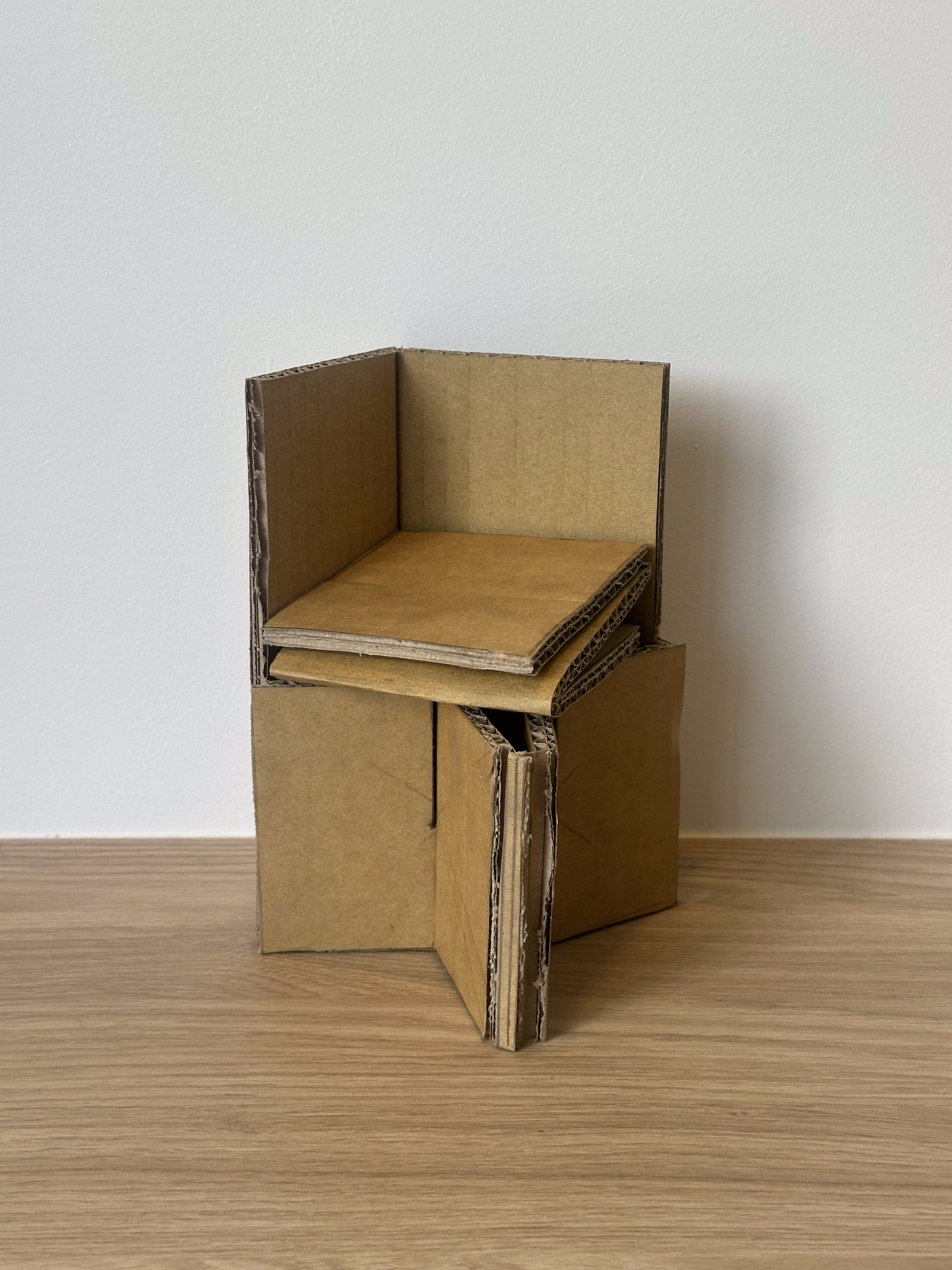
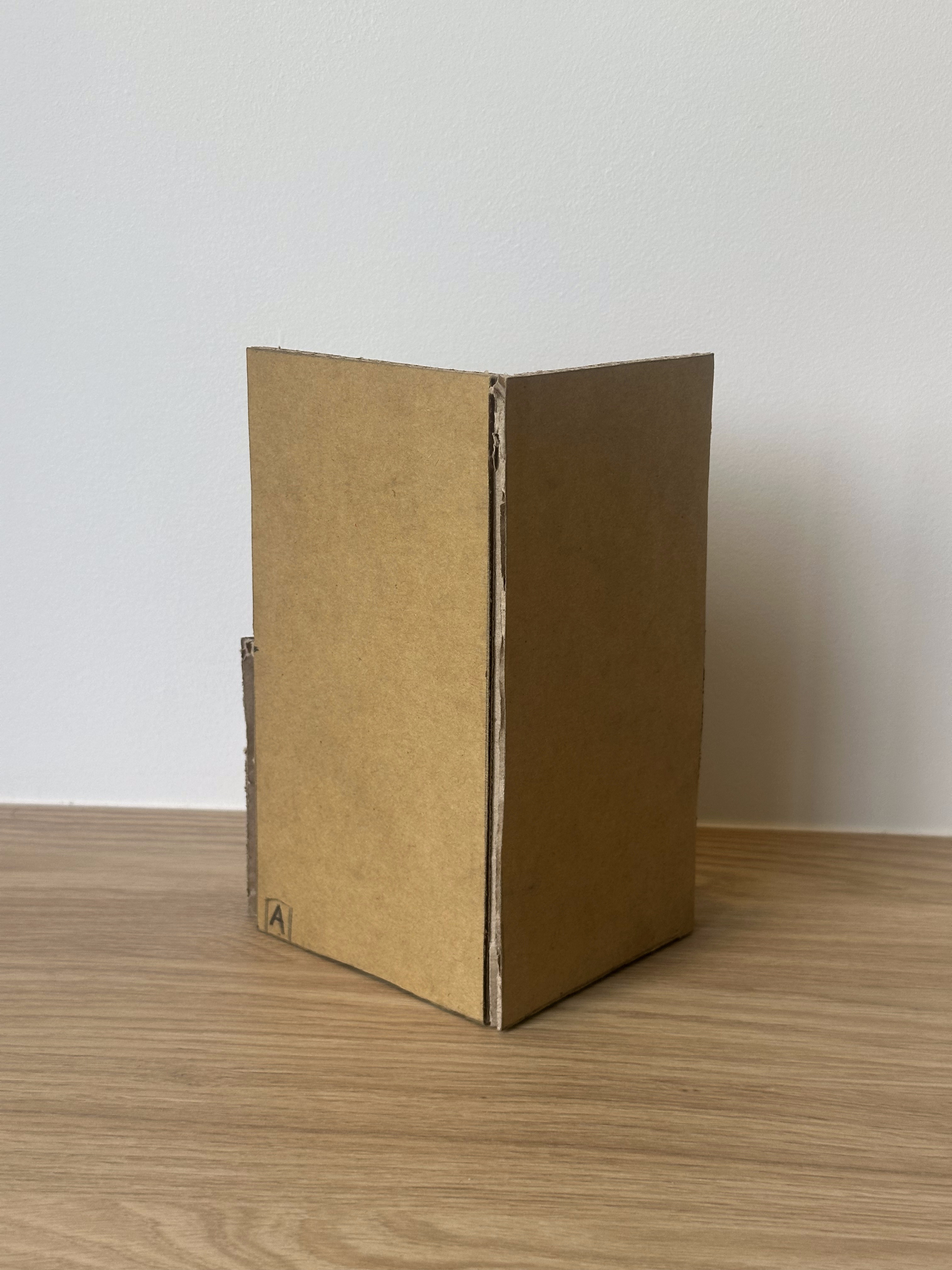
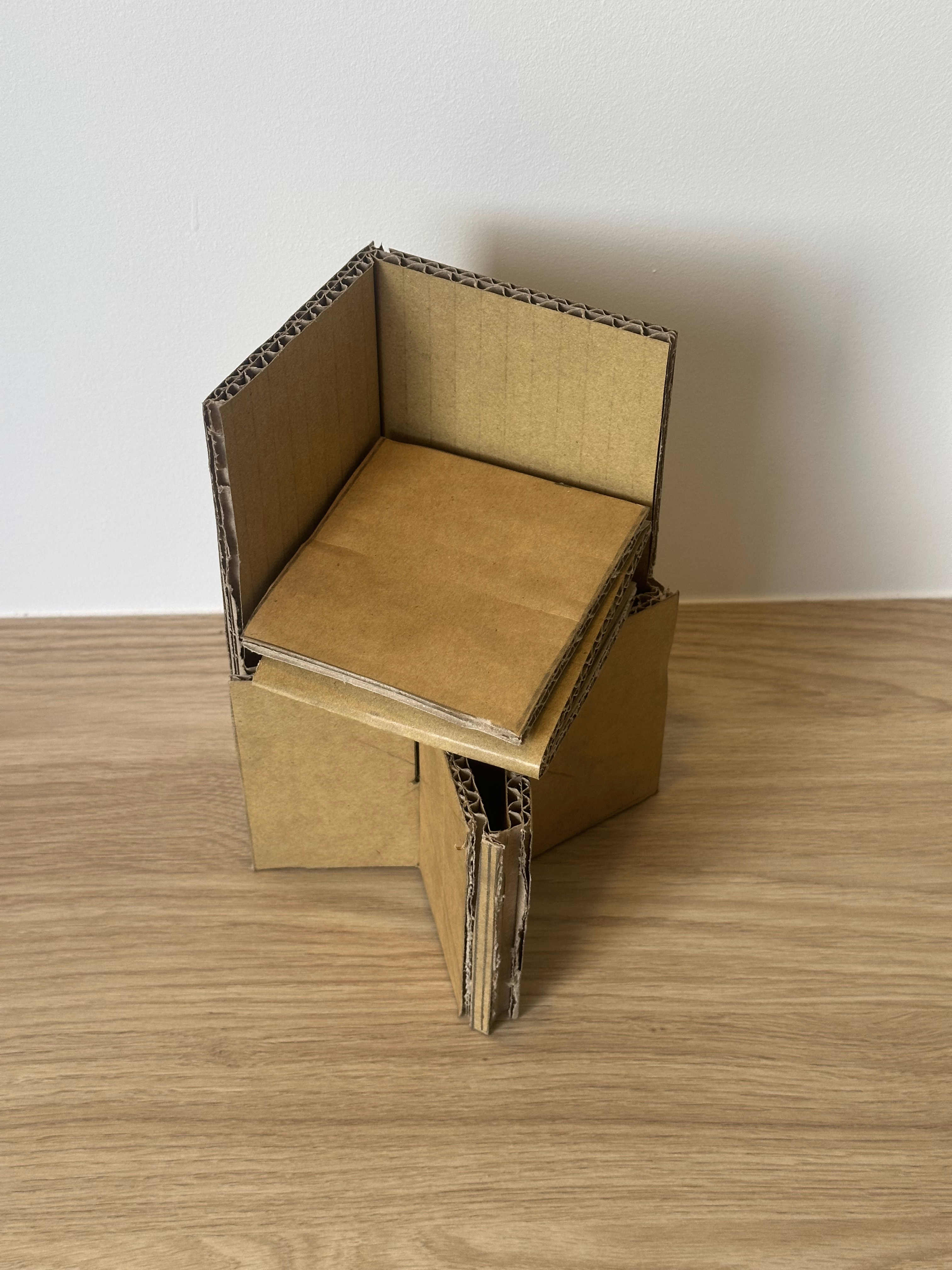
The shape holds due to the components locking together using slot joints. However the "padding" does not hold its shape due to the springiness and rigidity in the cardboard causing it to spring open and not holding its flattened shape.
The spring in the layers of cardboard supplies a softer force on a human's bottom. Additionally, the angled back would allow for a nice funnelled back position helping to hold the person in the chair.
Slot joints work the best for planar building. Additionally, slicing one of the layers of cardboard allows for the bends to fold perfectly with no bending cardboard surfaces.
Typology Research
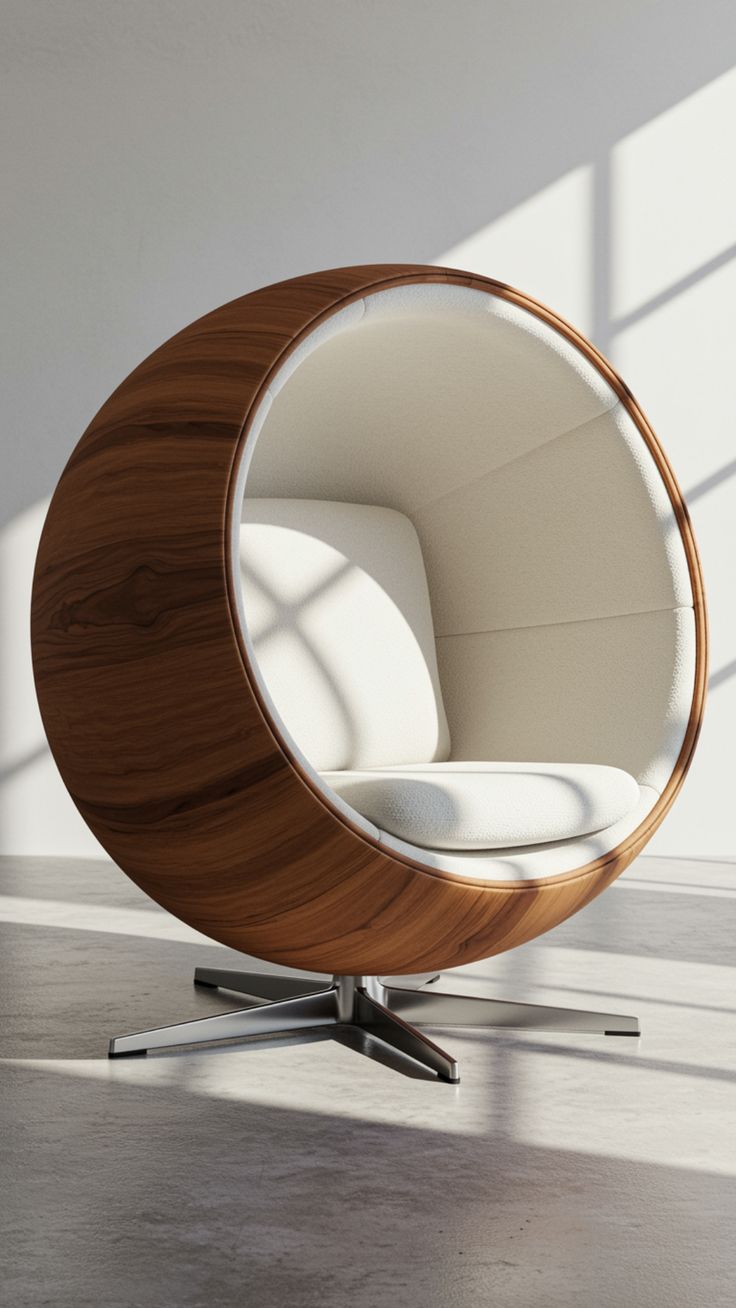
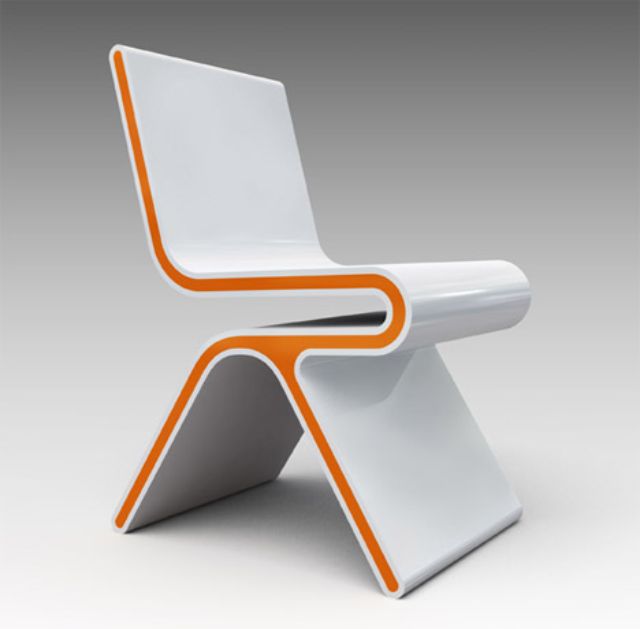
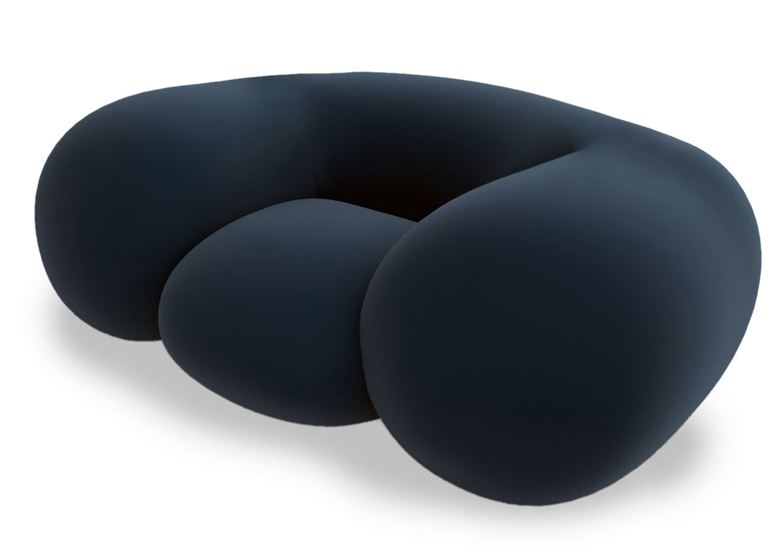
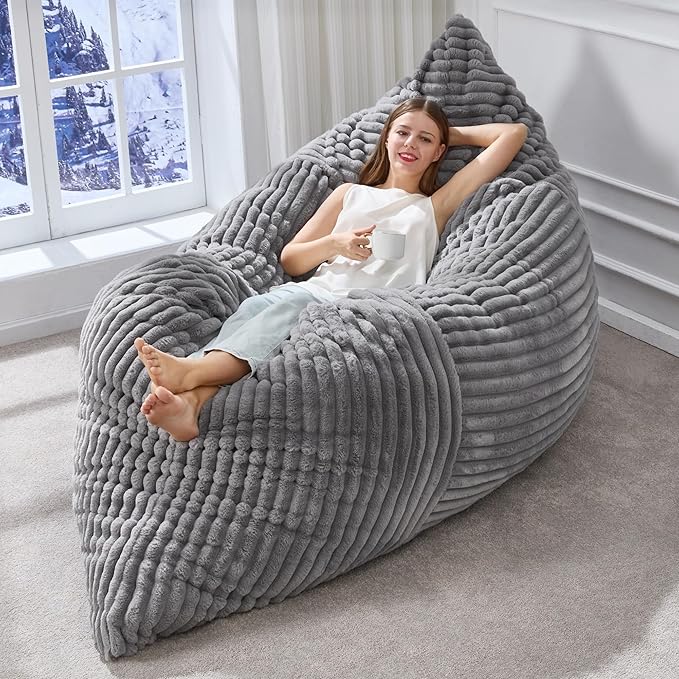
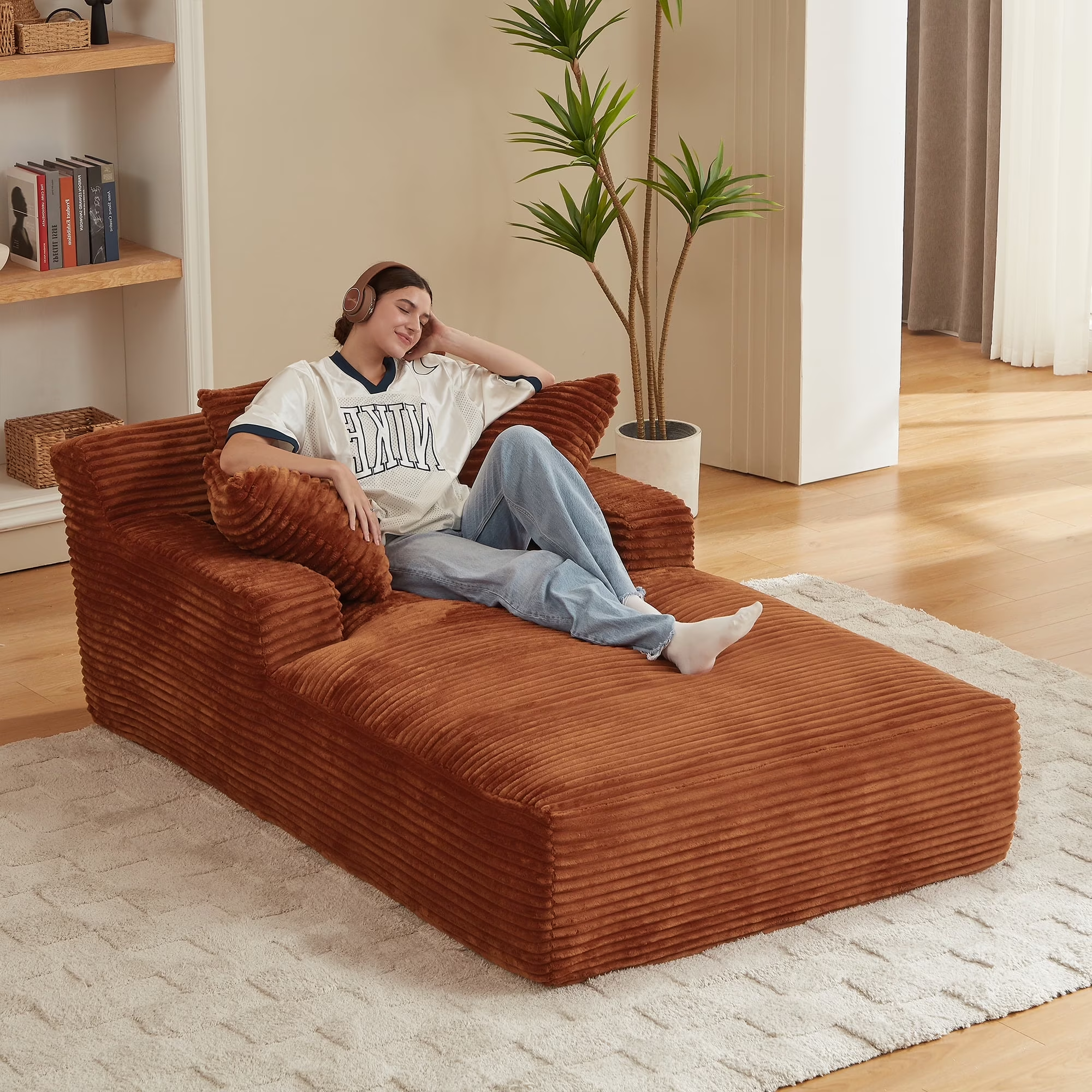
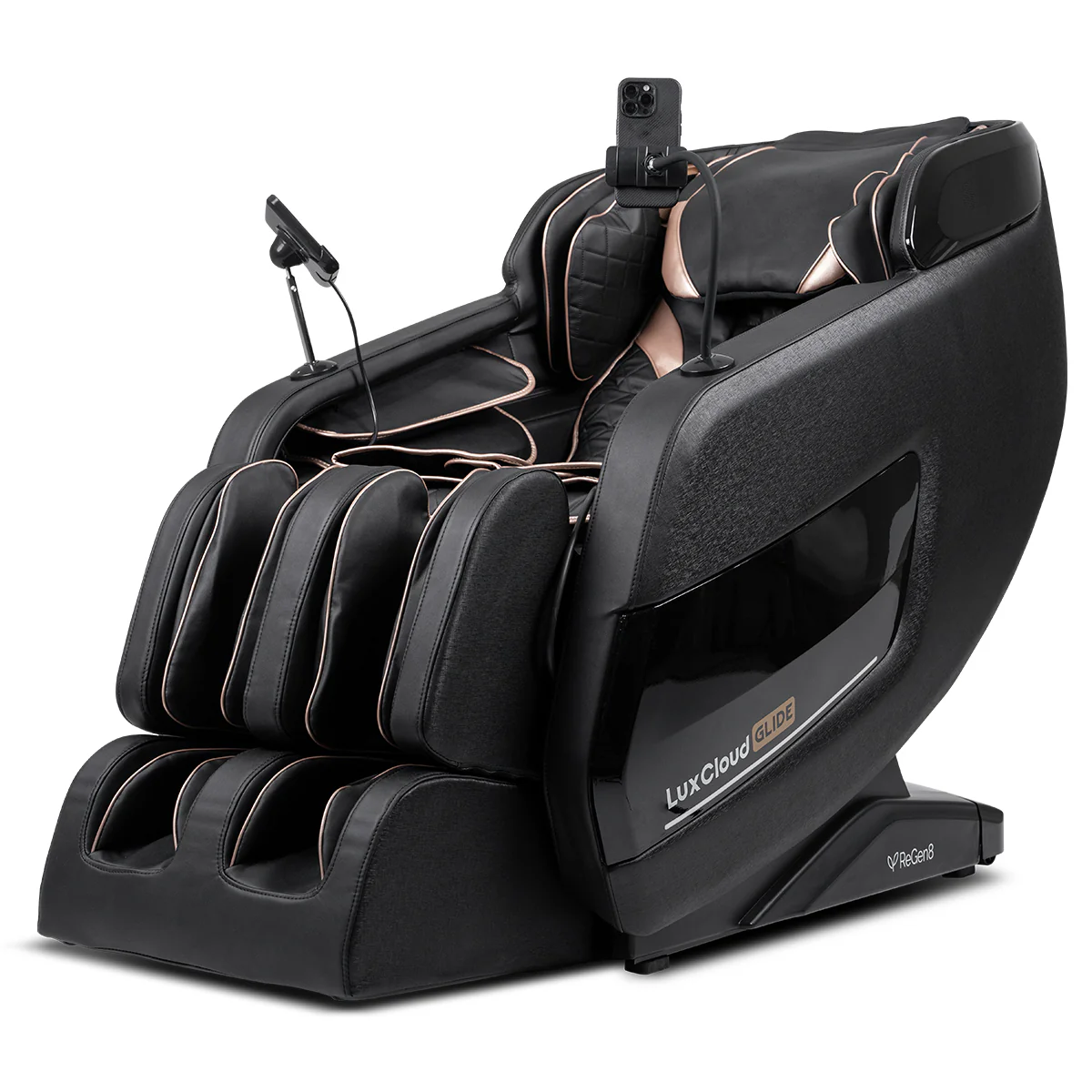
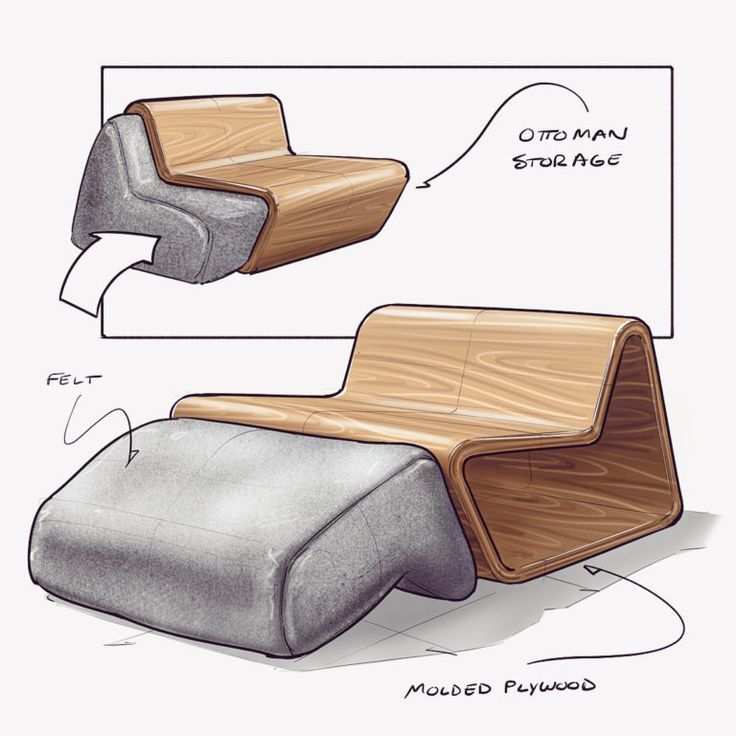
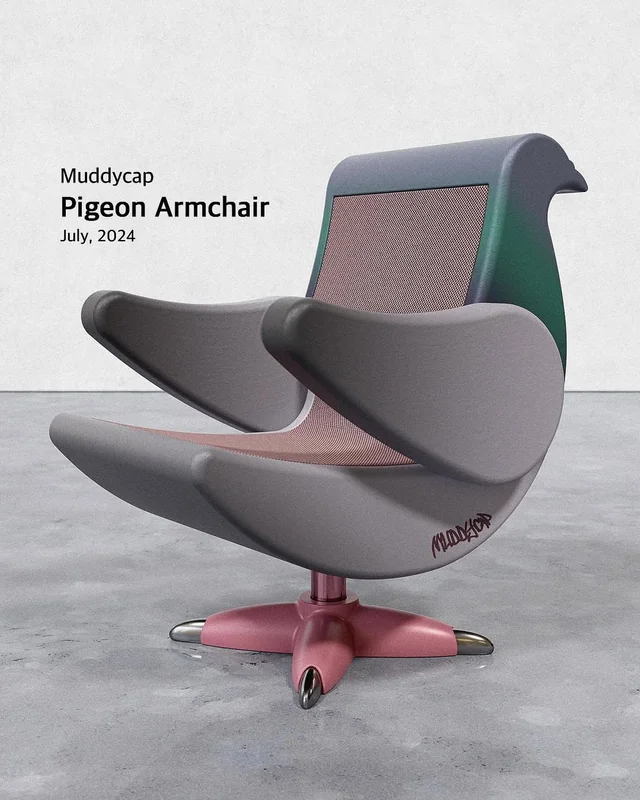
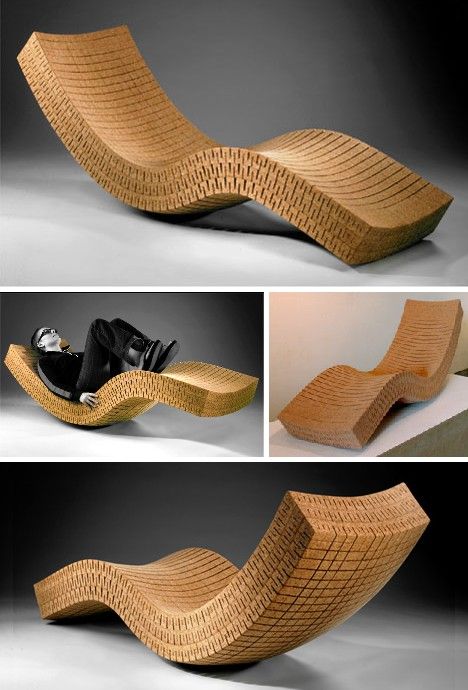
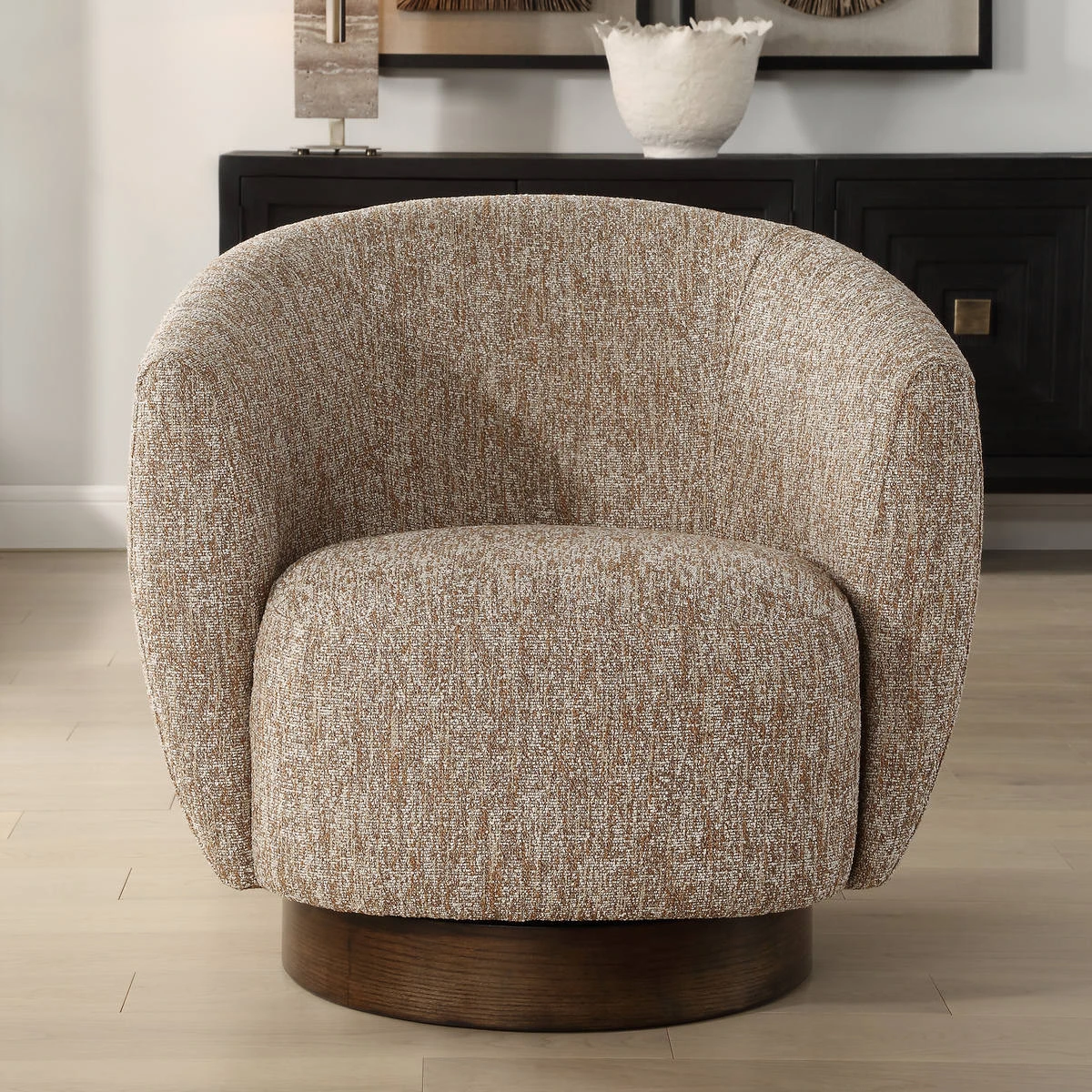
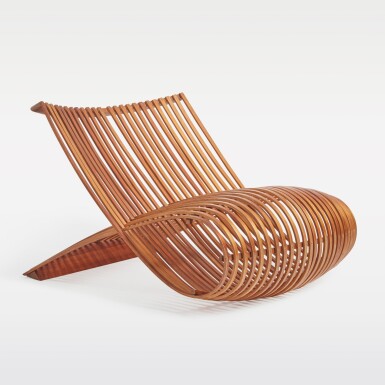
A collection of 50 chair images gathered as visual research, focusing on lounge chairs. Each image explores a different approach to form, structure, material and aesthetics. Detailed analysis is written for 30 of the chairs below.
Feet kick up higher than the head, inverting the typical seated posture to promote relaxation and redistribute body weight.
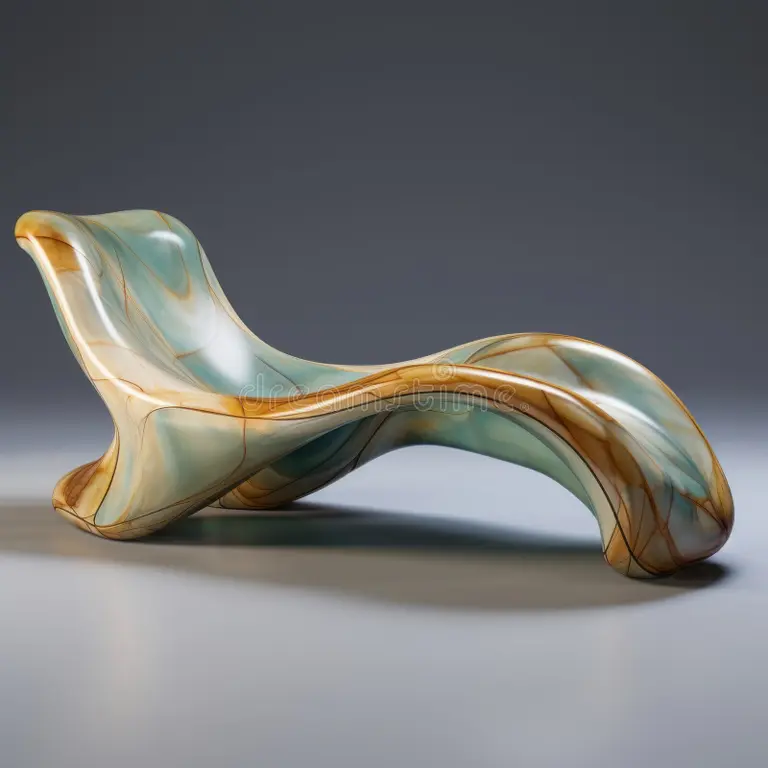 02
02
Concaved interior molds to the human body, allowing the human to be one with the chair and not slide off the sides.
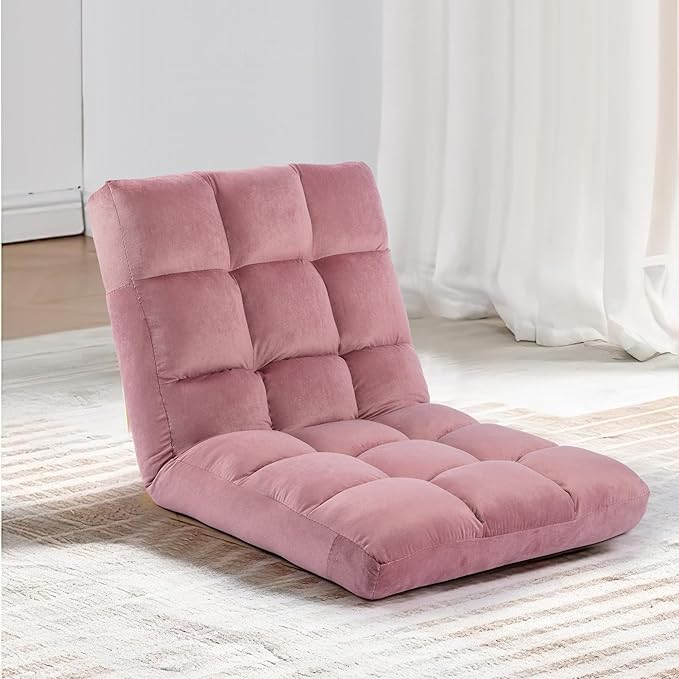 03
03
Angle of lumbar support can be changed for any position and different anthropometrics.
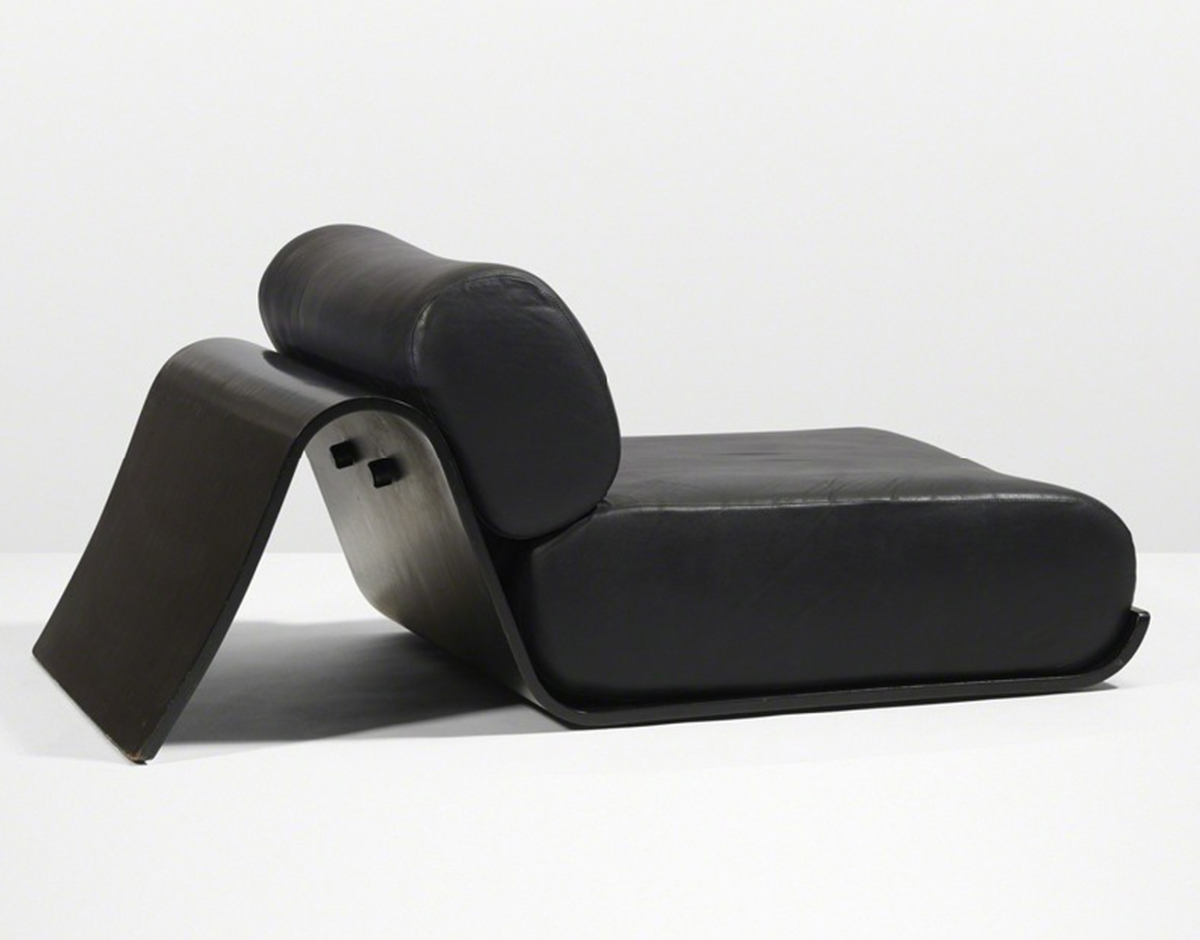 04
04
Negative space archway helps hold and support the weight of someone laying across the seat.
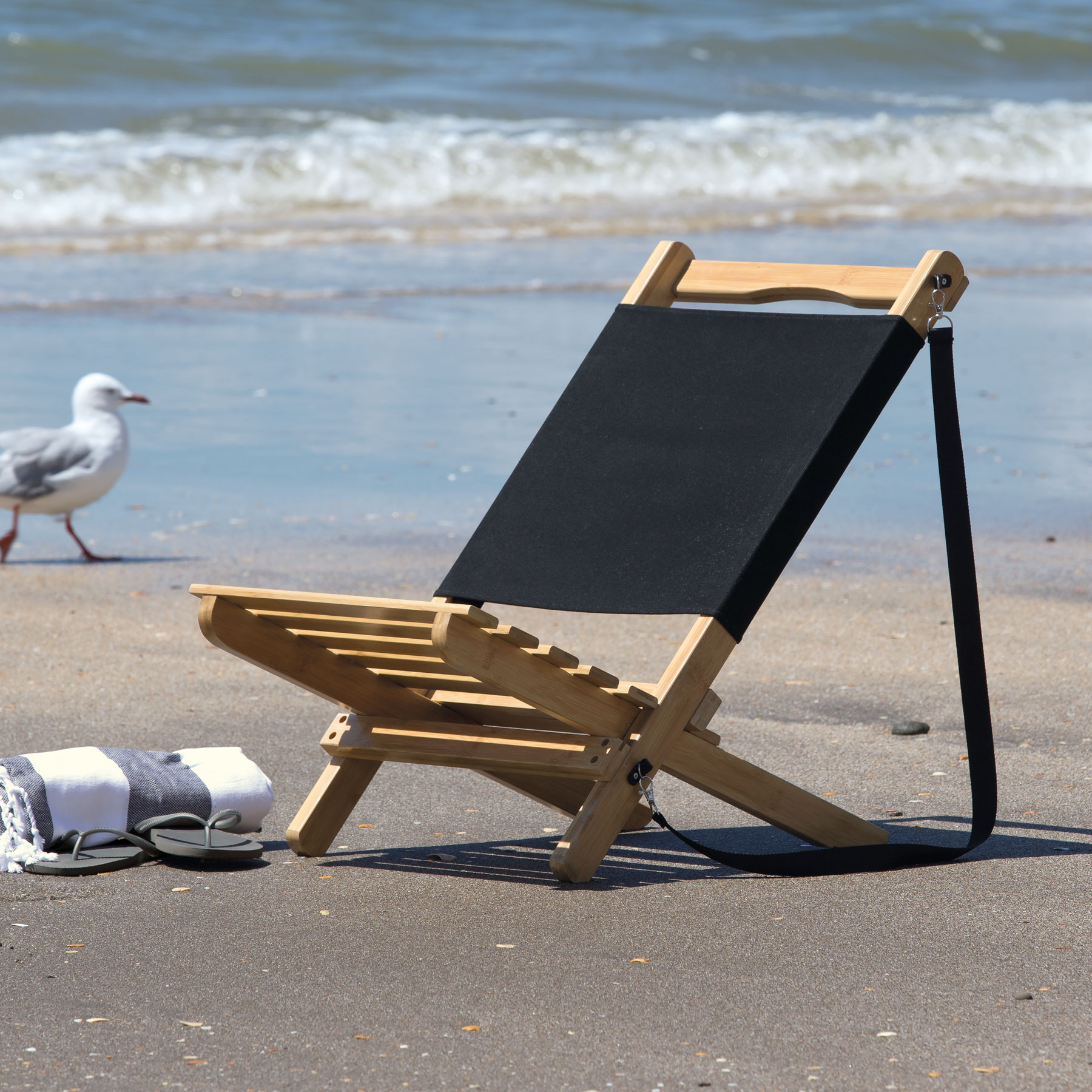 05
05
Angle of the Buttock-popliteal allows you to sink back into the chair, making it easier to relax on your back.
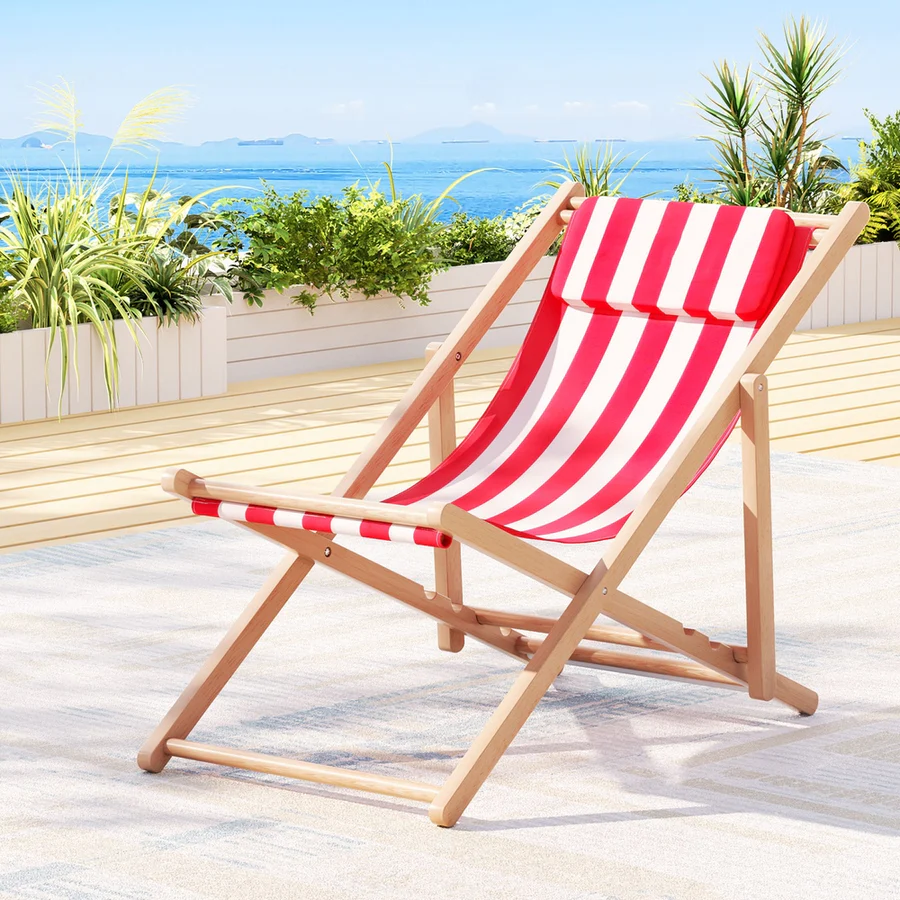 06
06
Fabric curved seat molds to posture and body, with a pillow to support the head.
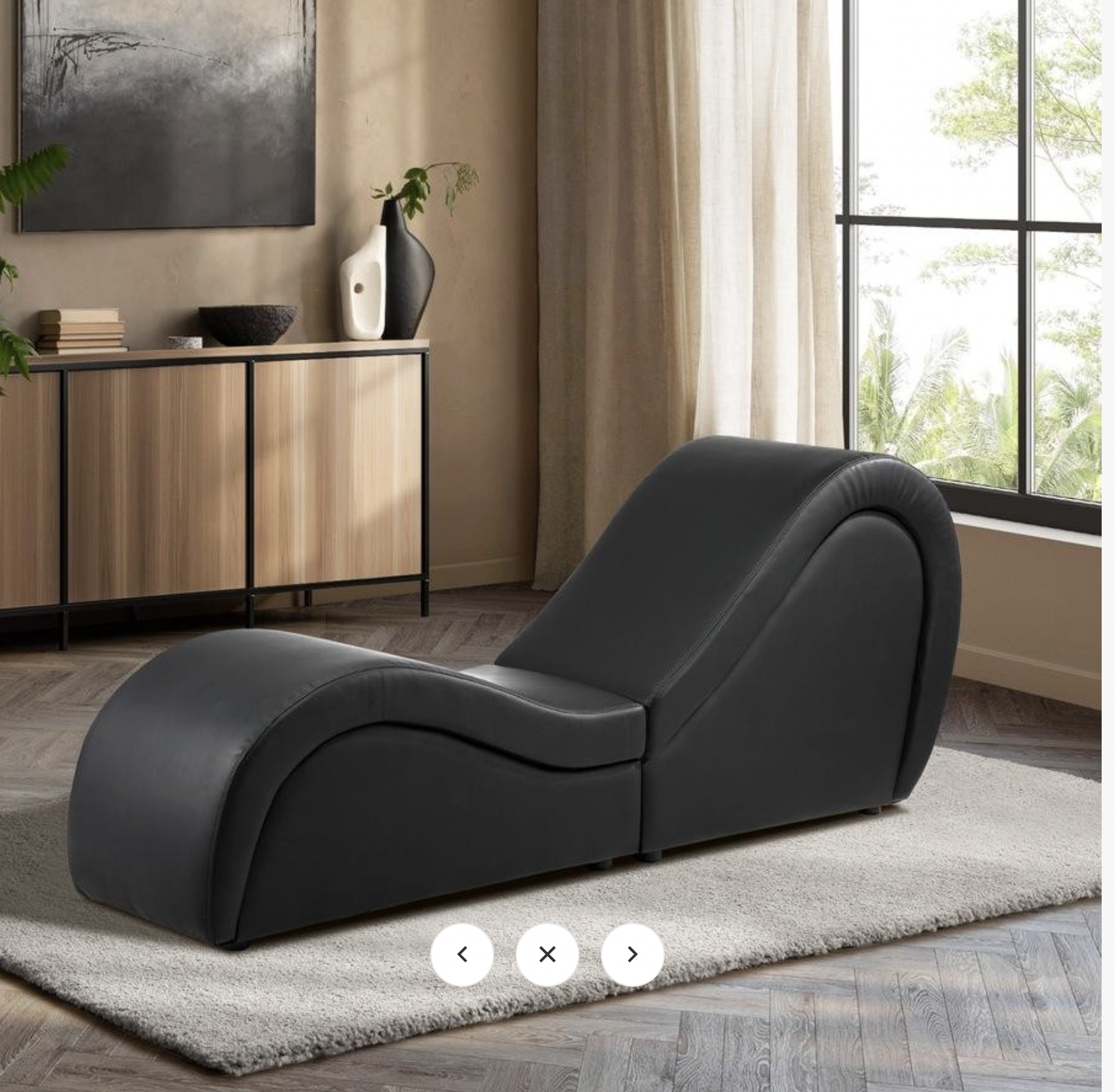 07
07
Organic curves and foam work together for comfort, softening the transition between surfaces.
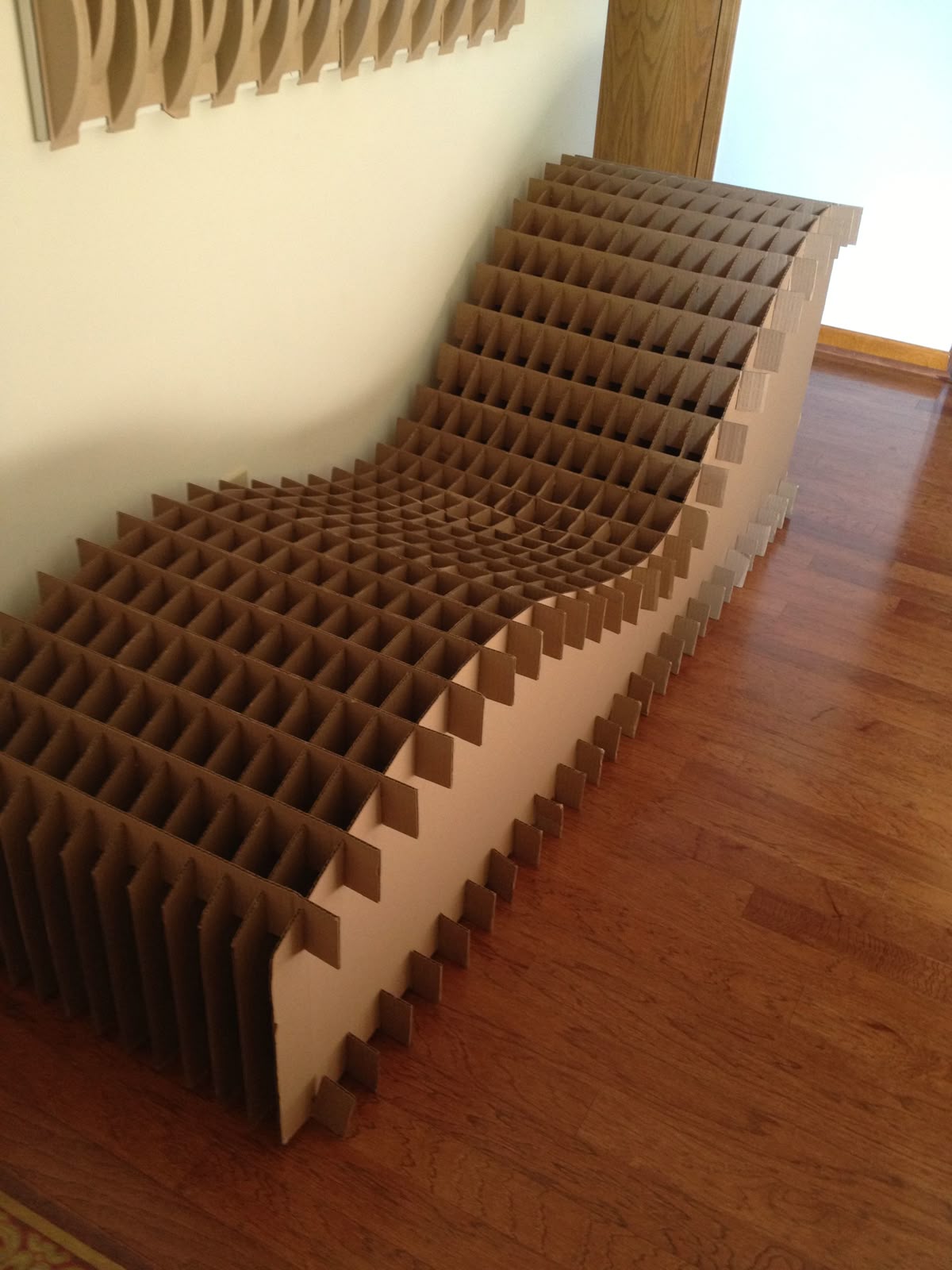 08
08
Slot joinery and grain alignment provide structural strength without fasteners.
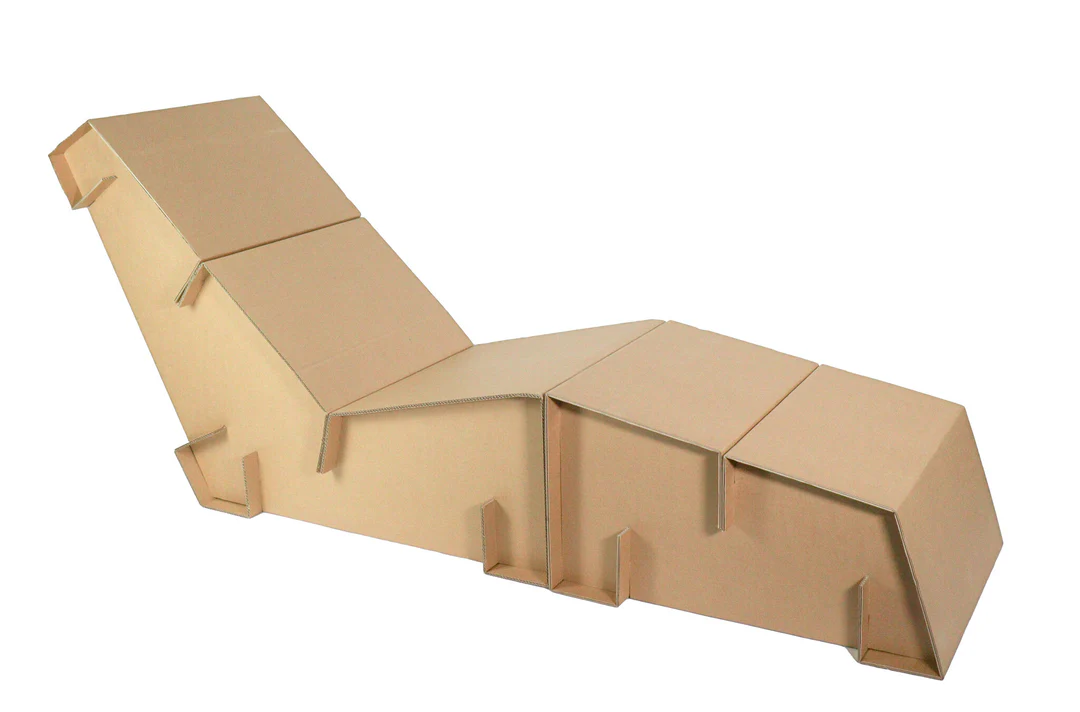 09
09
Cardboard surface offers a smooth contact face for comfort against the body.
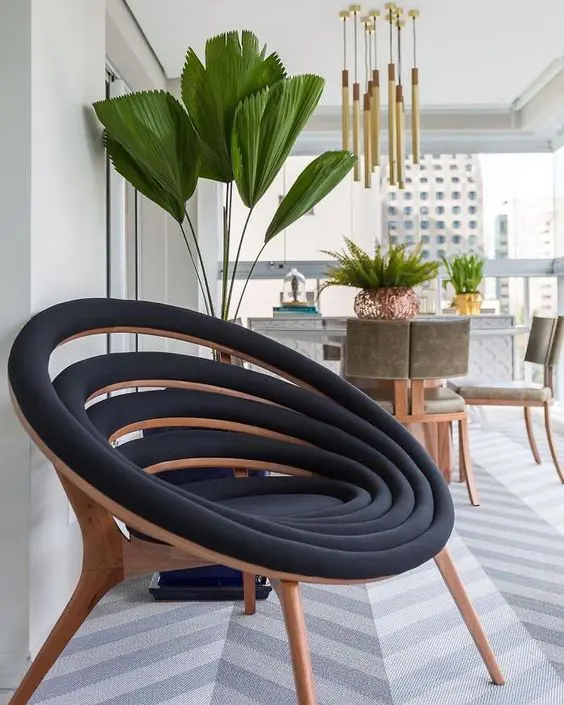 10
10
Balances circular, unique aesthetics with smooth foam and fabric finishes for comfort, incorporating armrests for full support.
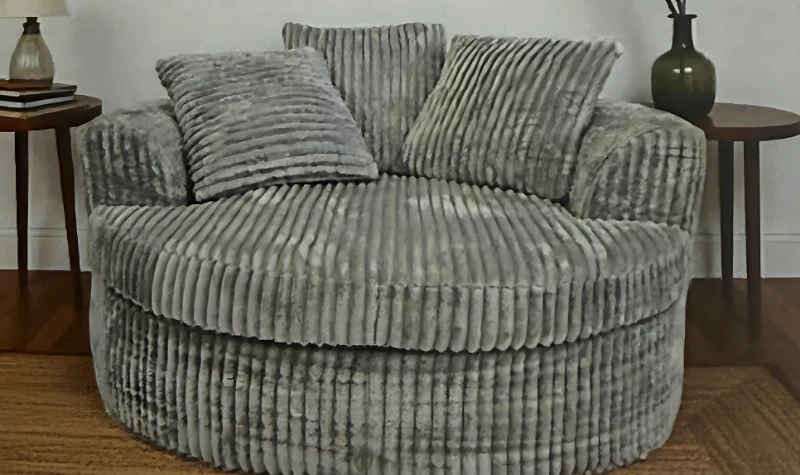 11
11
Large surface area allows for multiple seating positions, improving anthropometric comfort across different users.
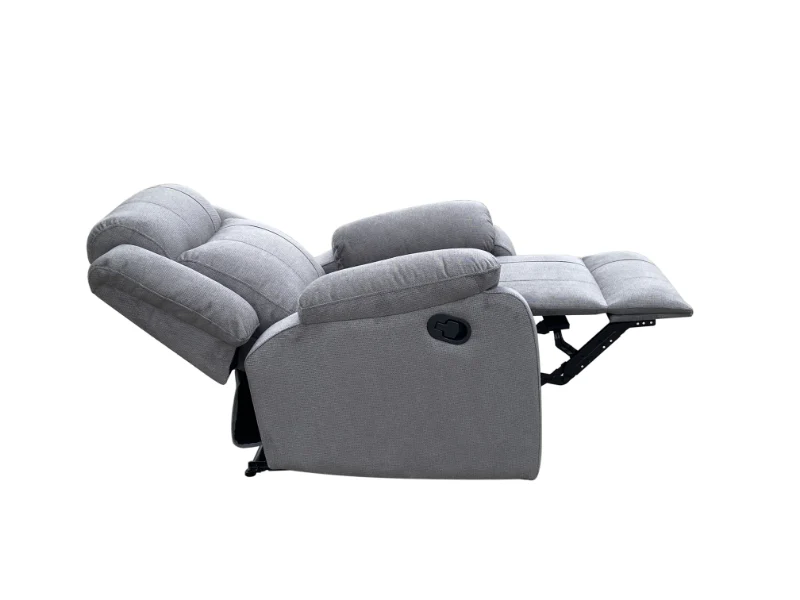 12
12
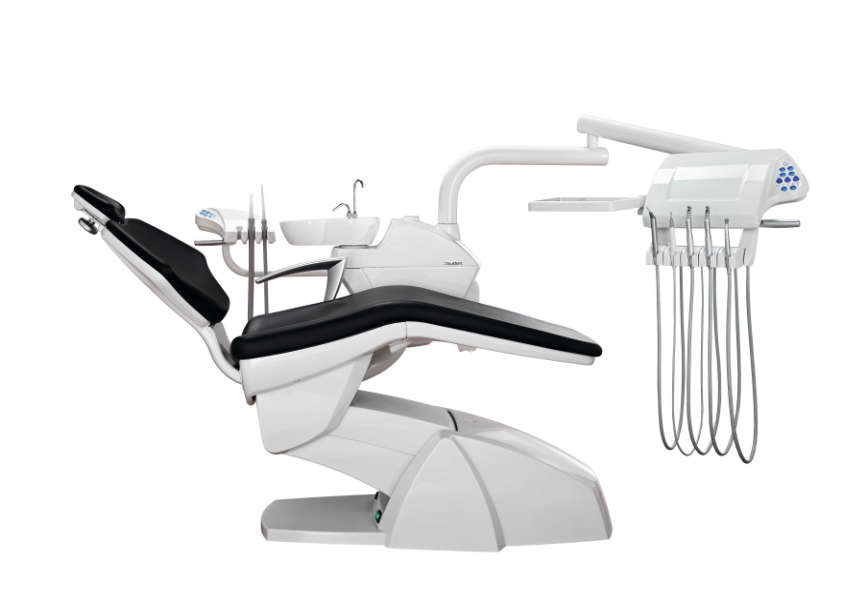
Angle-adjustable design accommodates both laying and seated positions.
 13
13
The idea of movement, rolling the weight onto your back slowly using a mechanism. Facing the sky for ultimate comfort and even weight distribution.
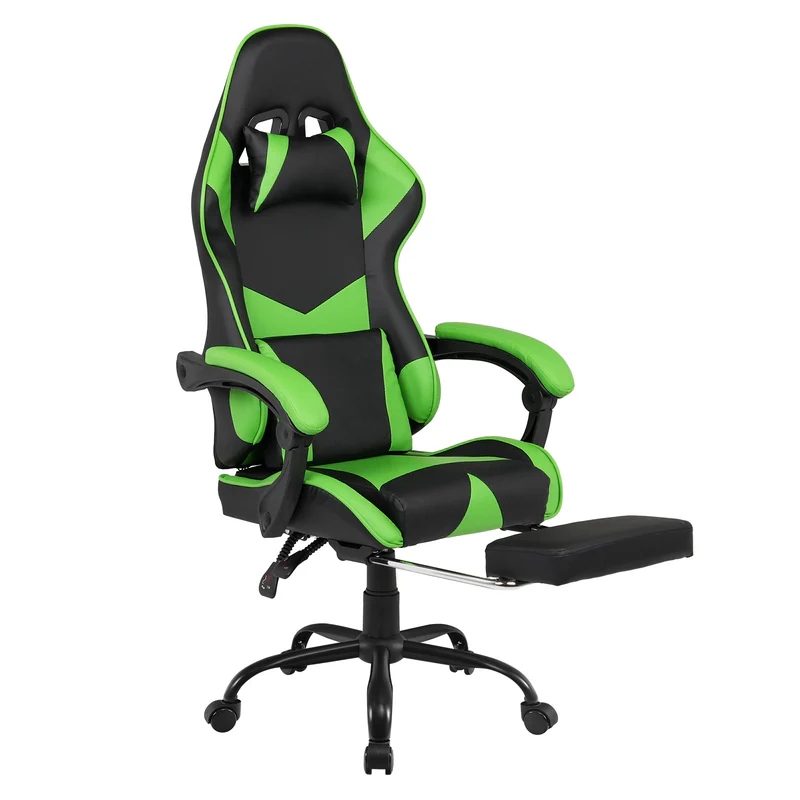
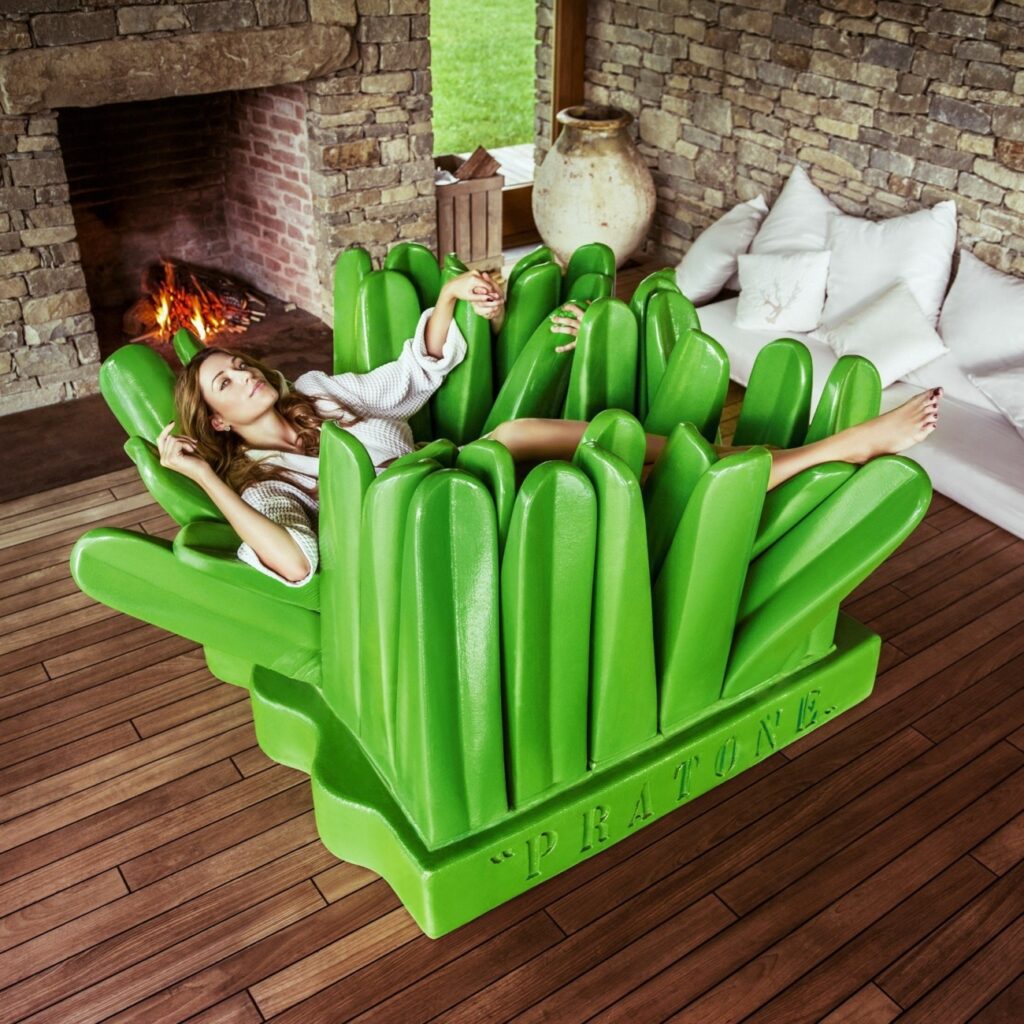
Having size allows for multiple people to rest on the chair. Using bright colours helps the product stand out in an environment.
 15
15
Complexity helps the ergonomic feel of the chair, allowing for the perfect gaming posture.
 16
16
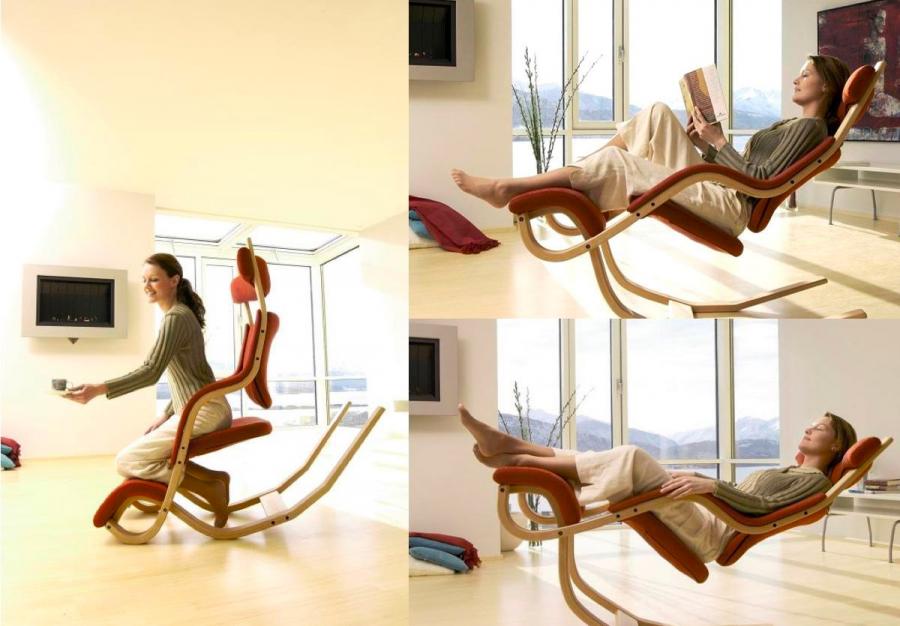
This chair is one of my favourites. It truly moulds to the person's body, allowing any human to fit comfortably. It also introduces the sensation of unusual but satisfying relaxation positions.
 17
17
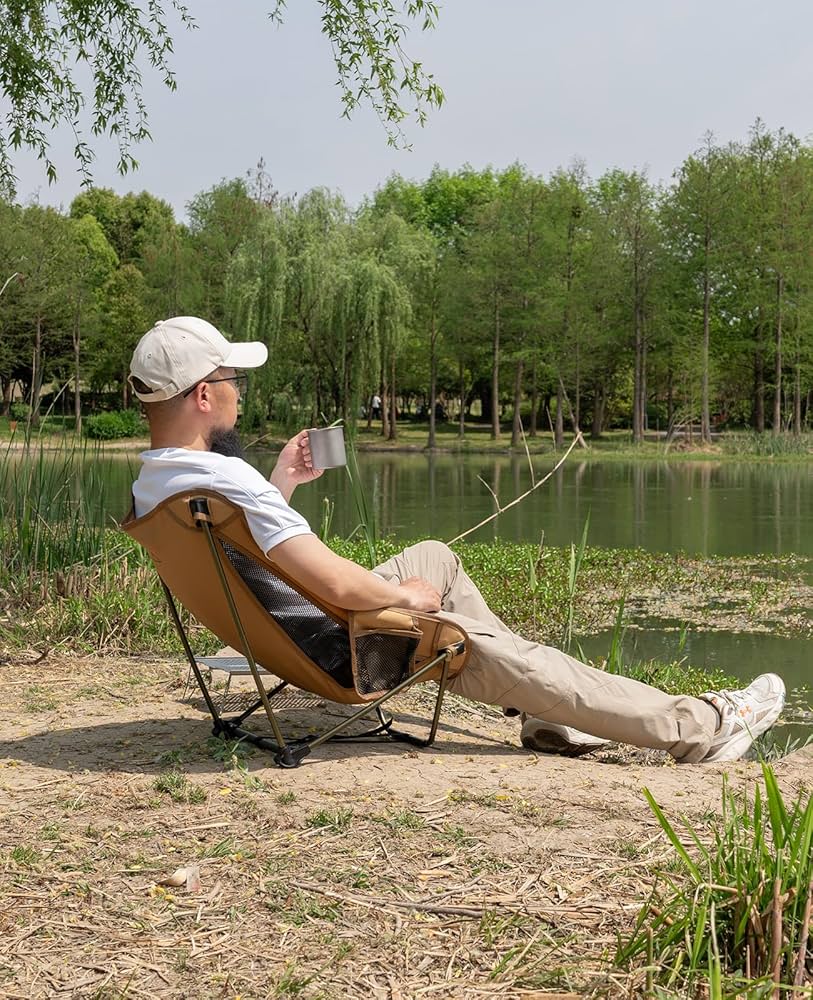
[INSERT ANALYSIS HERE]
 18
18
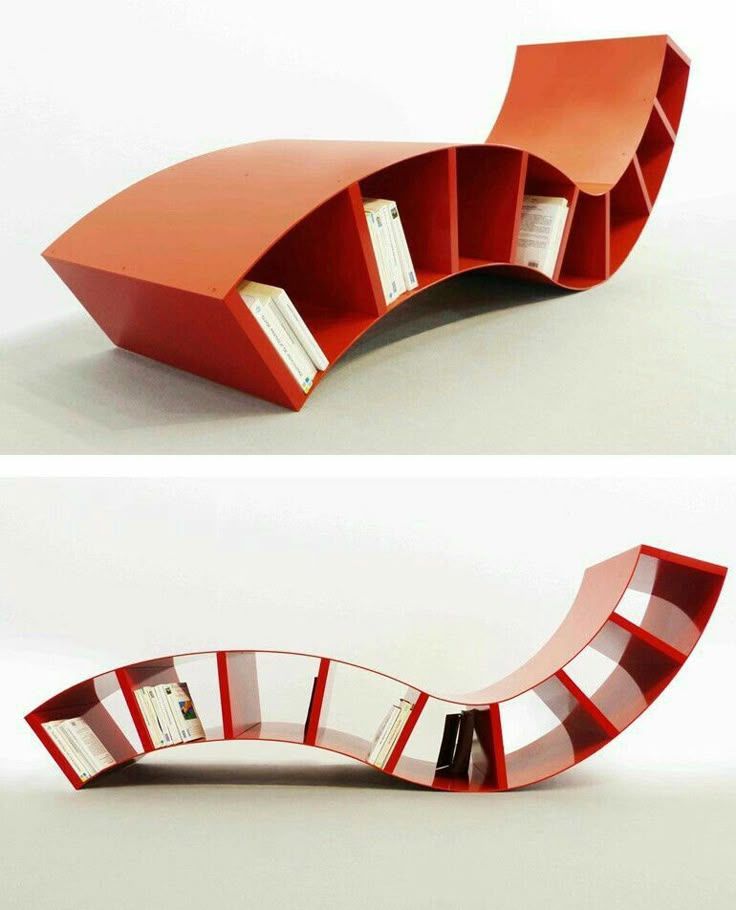
[INSERT ANALYSIS HERE]
 19
19
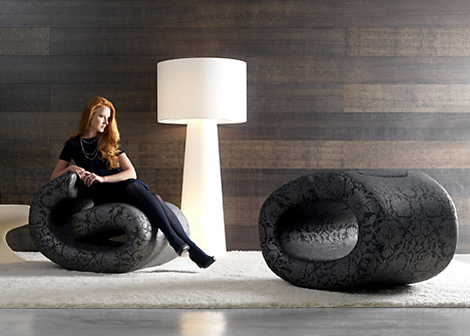
Negative space used for function.
 20
20
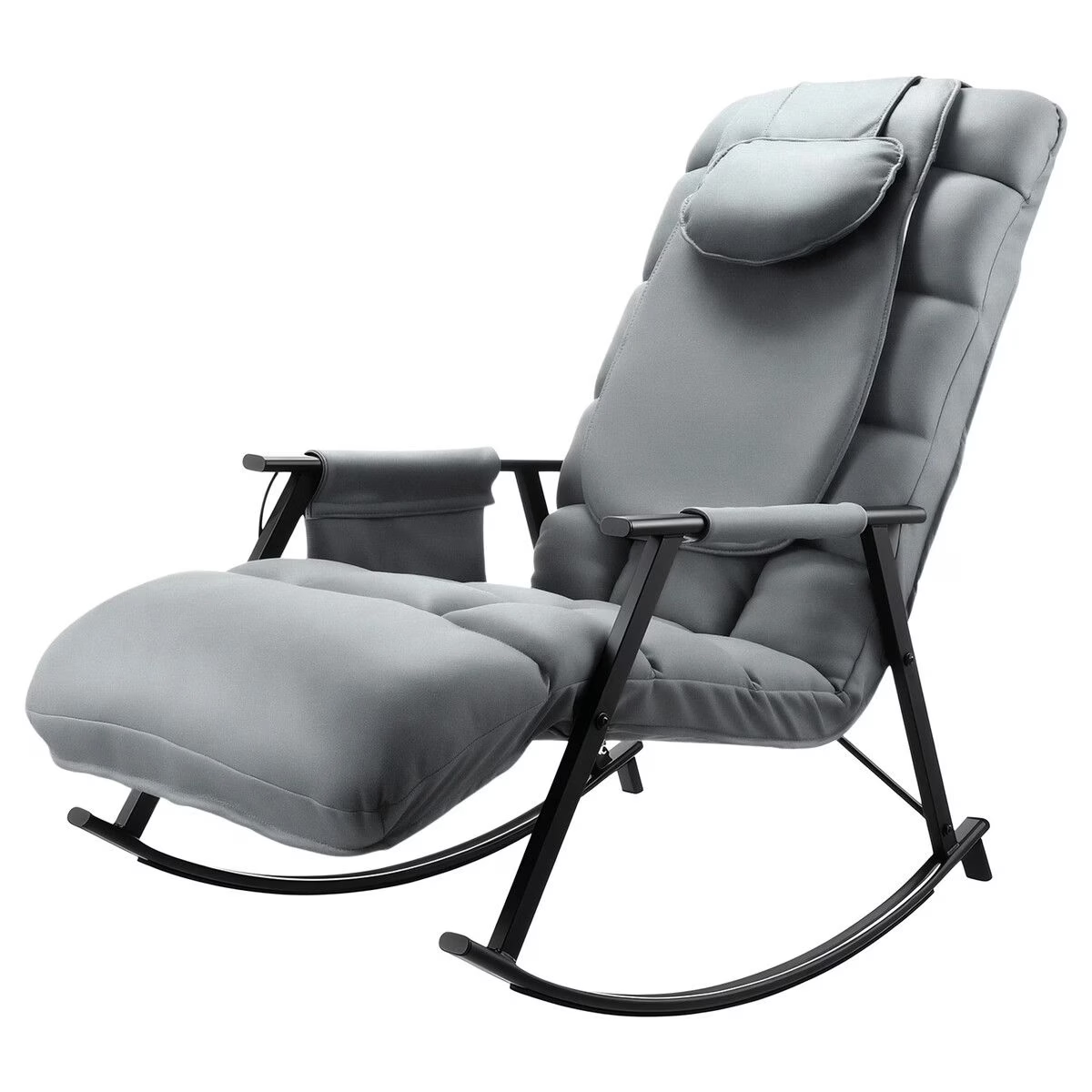
[INSERT ANALYSIS HERE]
 21
21
[INSERT ANALYSIS HERE]
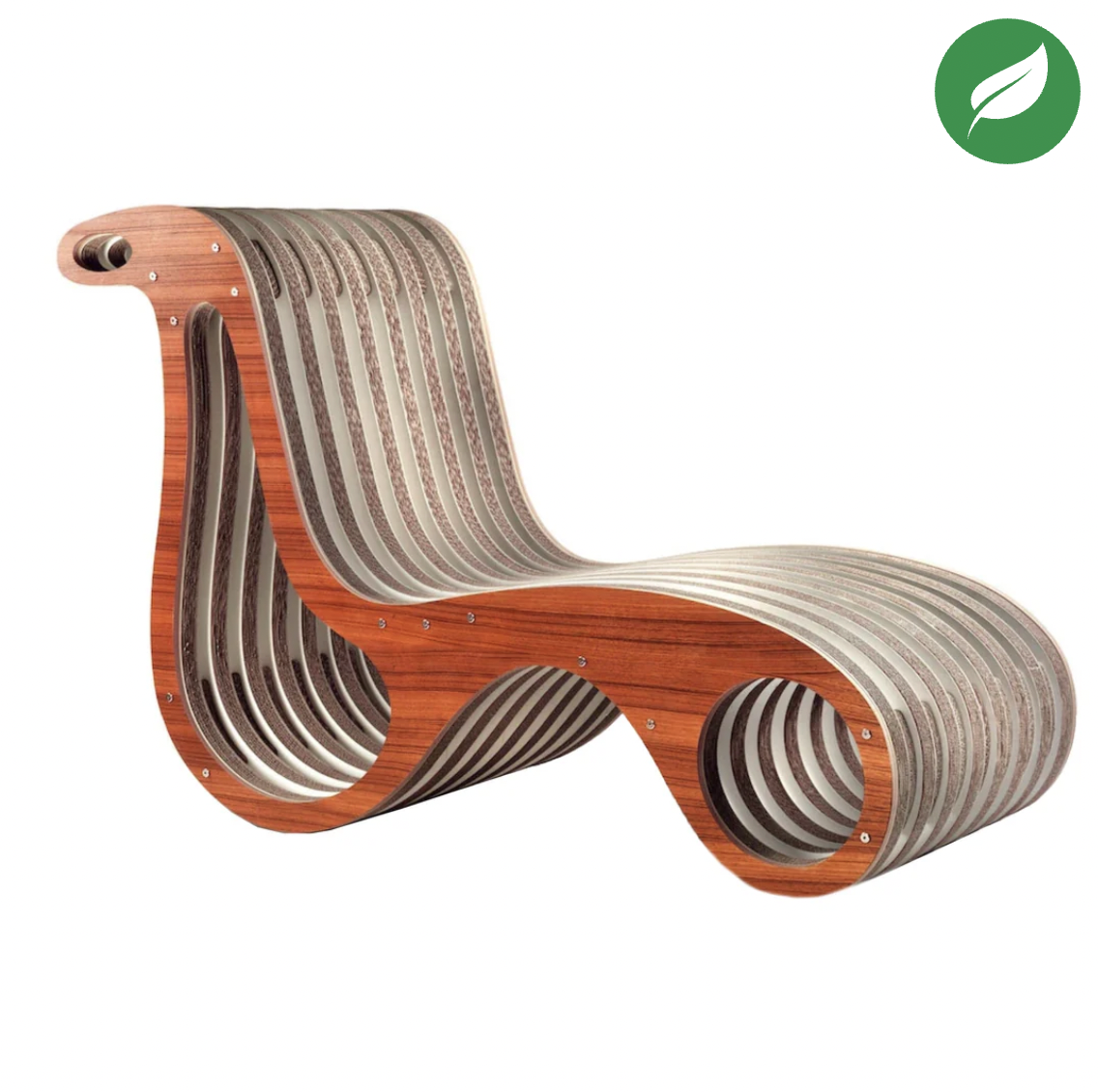 22
22
[INSERT ANALYSIS HERE]
.jpeg) 23
23
[INSERT ANALYSIS HERE]
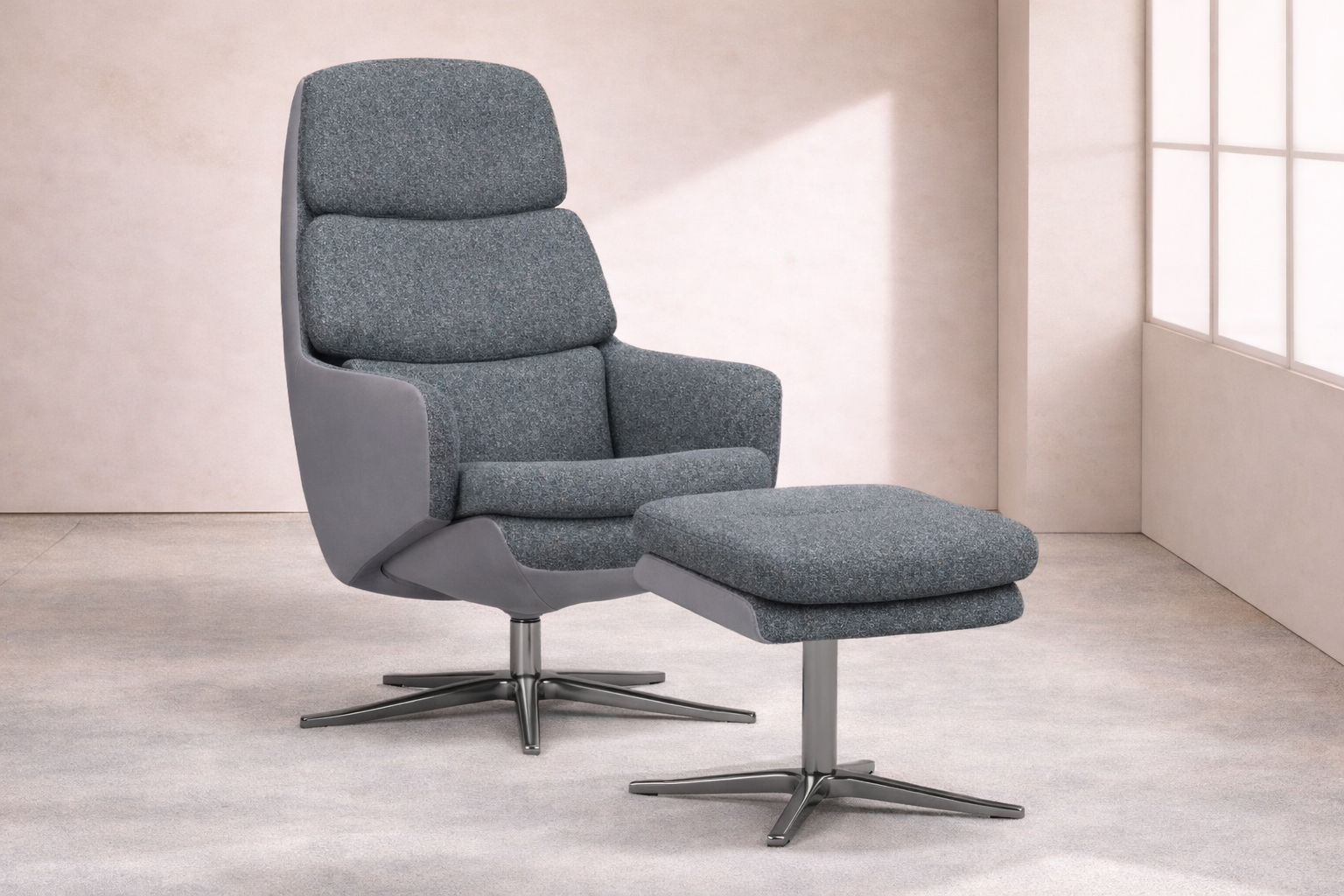 24
24
[INSERT ANALYSIS HERE]
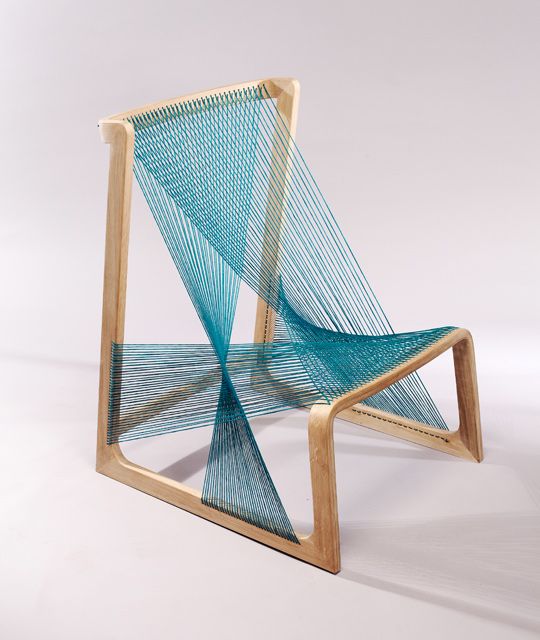 25
25
[INSERT ANALYSIS HERE]
[INSERT ANALYSIS HERE]
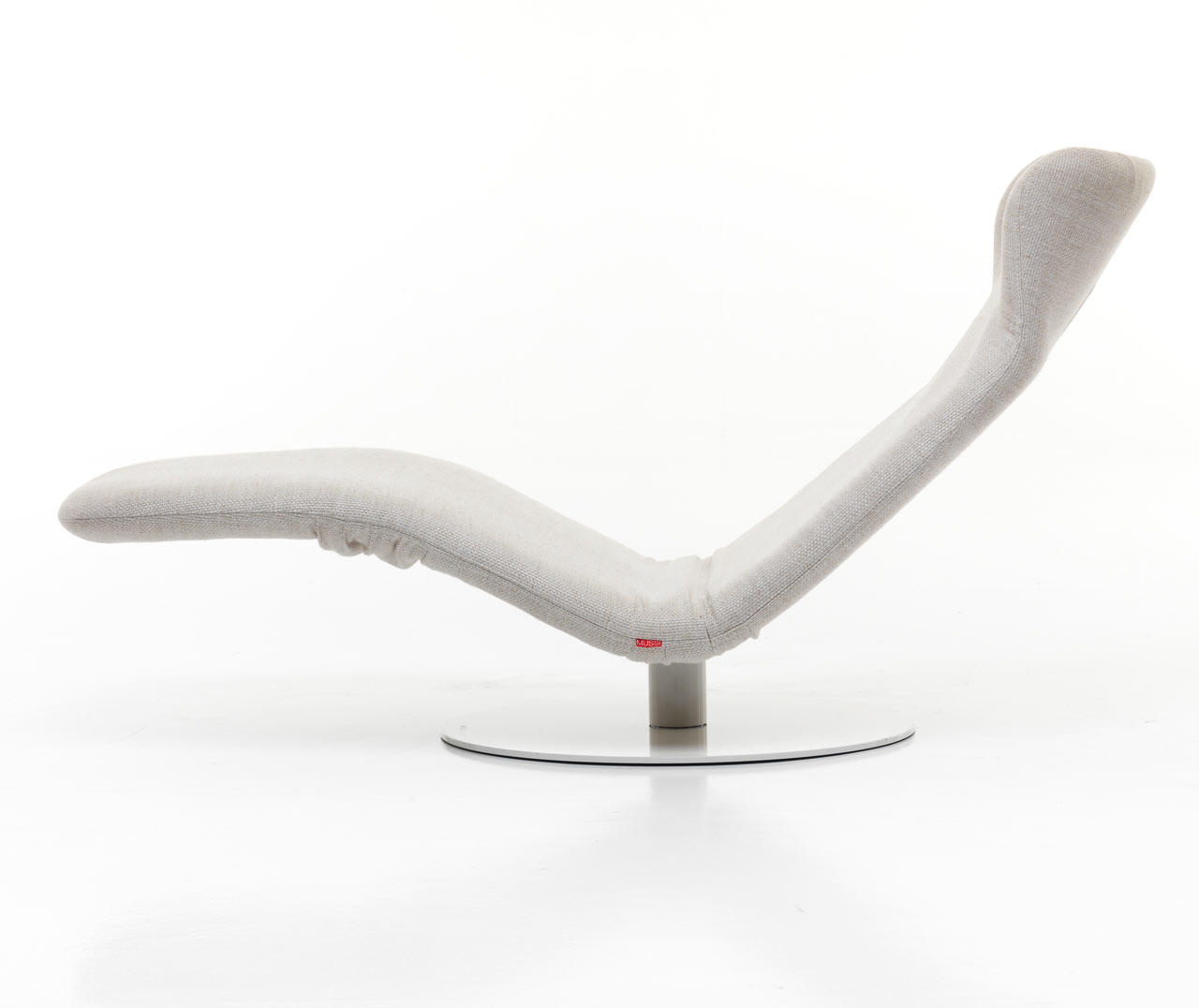 27
27
[INSERT ANALYSIS HERE]
.jpeg) 28
28
[INSERT ANALYSIS HERE]
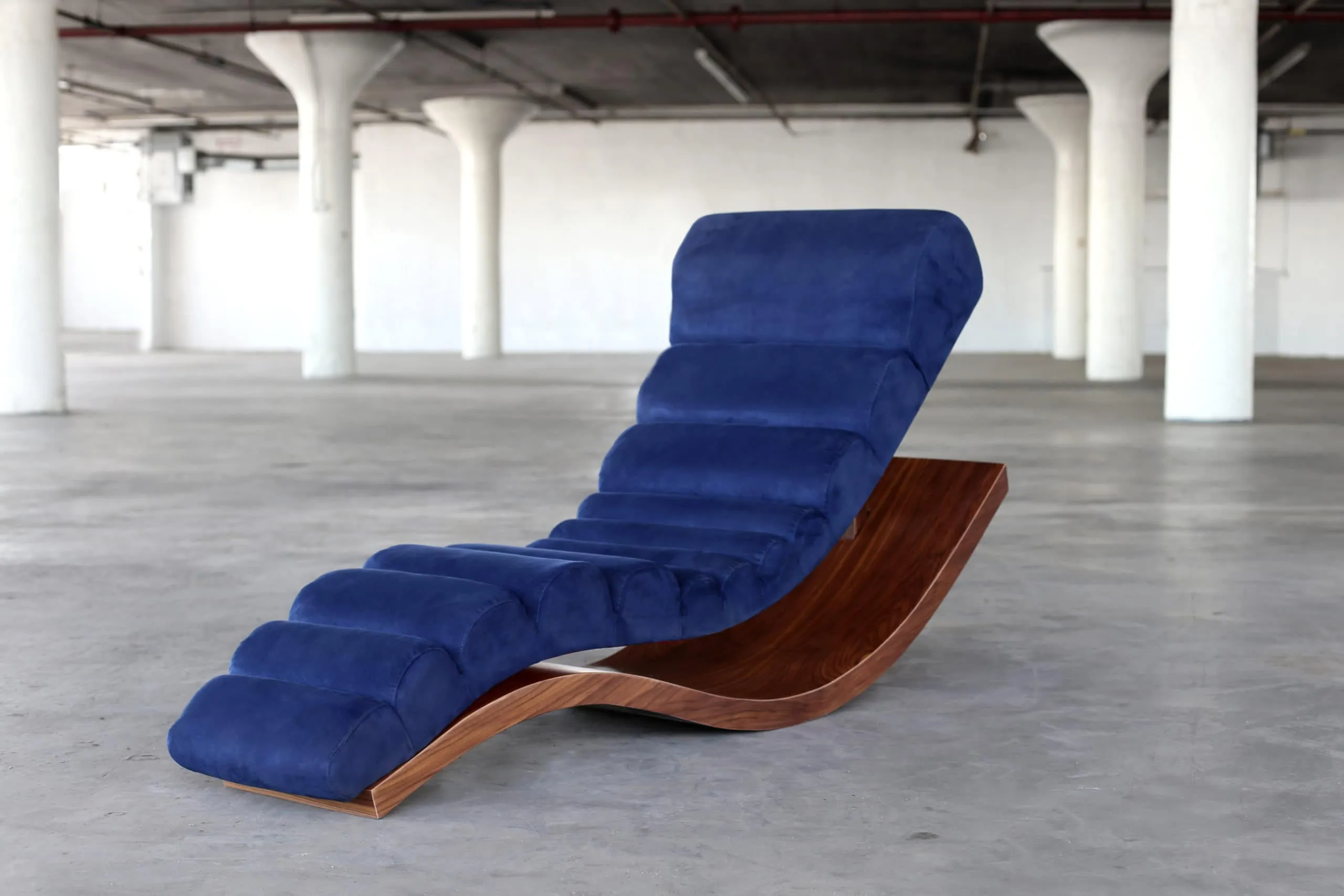 29
29
[INSERT ANALYSIS HERE]
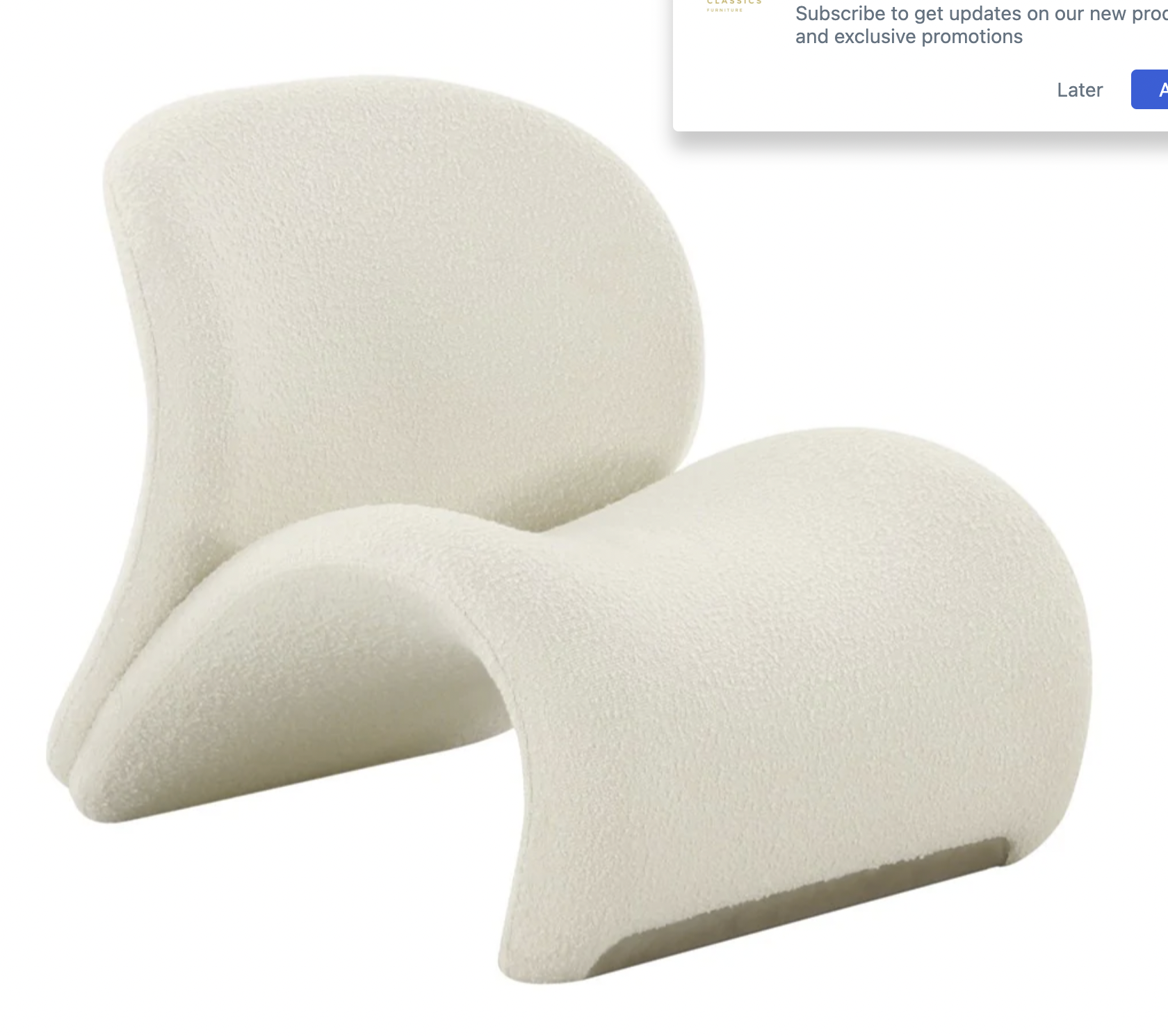 30
30
[INSERT ANALYSIS HERE]
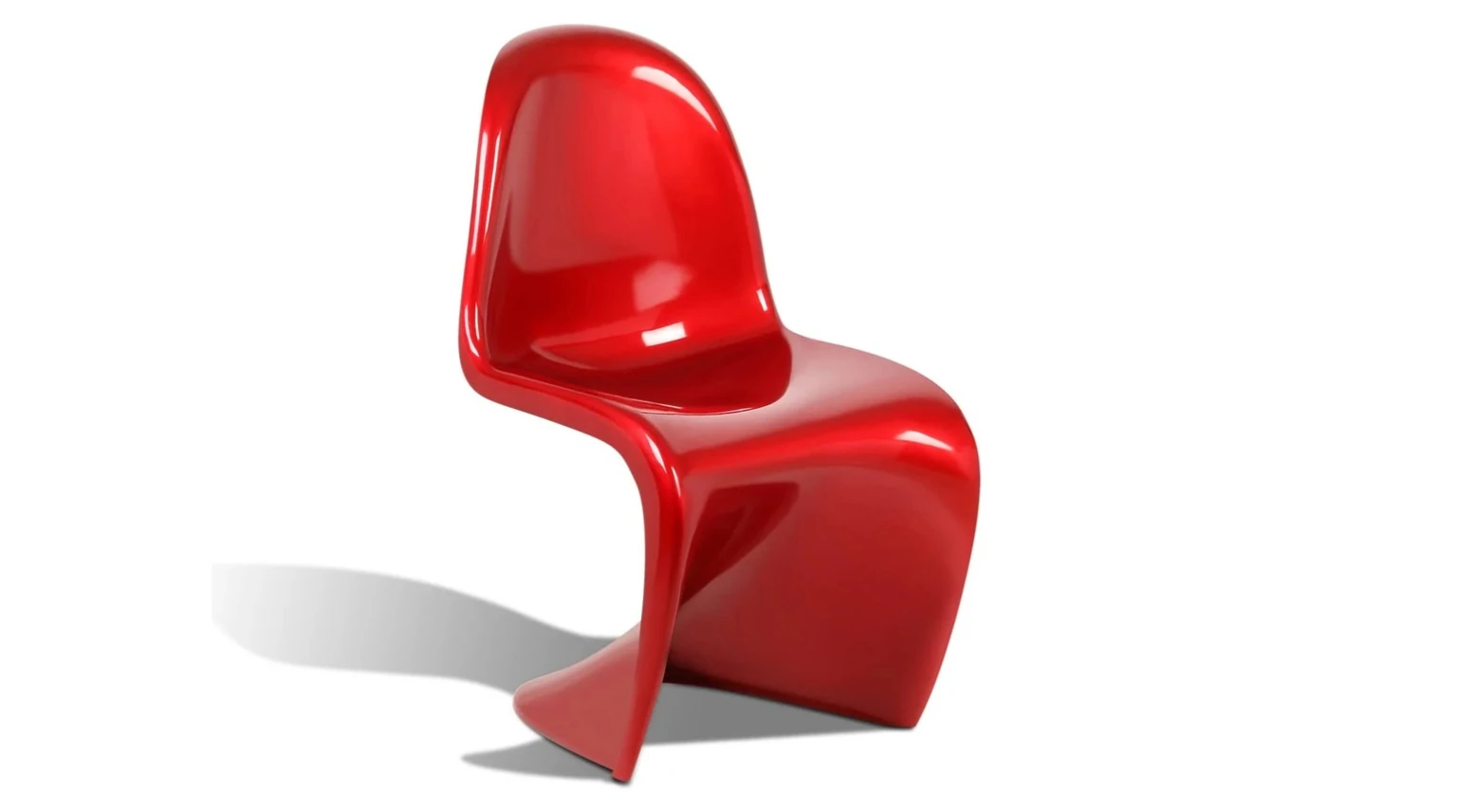 31
31
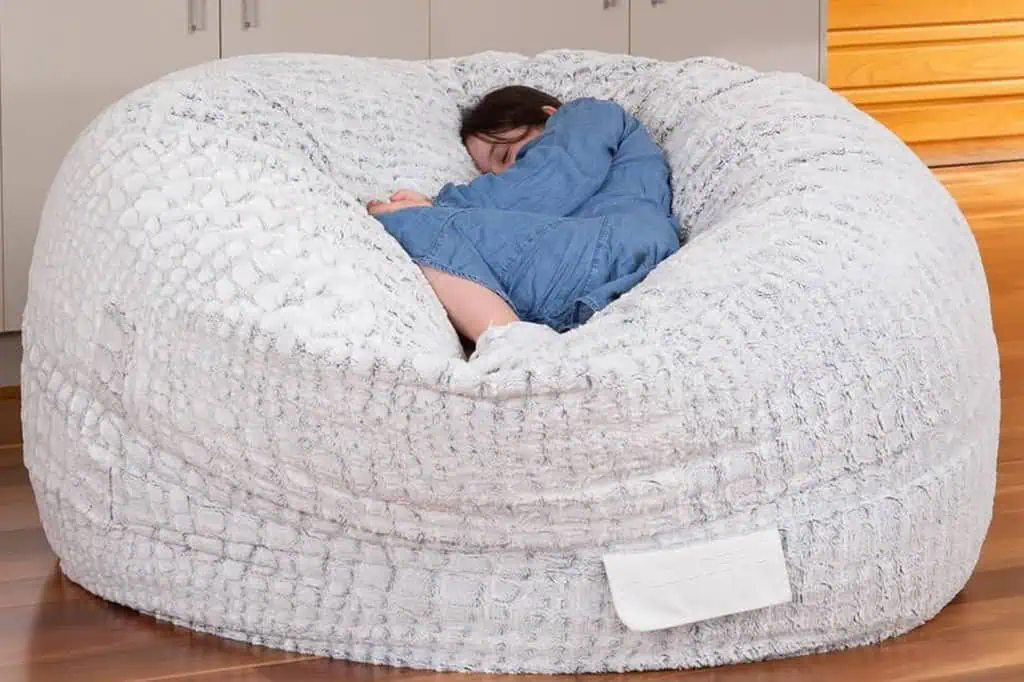 32
32
 33
33
 34
34
 35
35
 36
36
 37
37
 39
39
 40
40
 41
41
 43
43
 44
44
 45
45
 46
46
 47
47
 48
48
 49
49
 50
50