01 / Story Telling

Story Telling

Chroma Scissors

Being an industrial designer, not only do we develop a functional and aesthetic product, but we also develop stories along the way about how the product came to life. The company craighill, led by a whole team of industrial designers, realised the struggles brought to life when using everyday scissors. Commonly seen, is when you try to cut plastics with scissors, and the plastic gets wedged between the two shears, and doesn't actually slice through the material.

Craighill saw these imperfections in commonly used scissors and took it to the design team. They went though every type of scissor, and what their usage was, including small scissors for first aid, large scissors for general cutting, and old metal scissors used in the 1900's.

Each product had its floor, each product also had a strong feature that made it work. They settled on an important aspect, this aspect stops the splitting between shears and helps keep them strong, rigid and have little flex. This aspect was to have the scissors made of two, strong metal blades that were forged with an included handle which was then later dipped in a wax for grip. these two blades are then pinned together firmly, ensuring there is no flex between the two shears.

Overall, craighill turned a once thought 'perfect' tool, into one of the most practical and strong pair of scissors in today's market. This is a beautiful example of industrial design in society.

Visit Craighill… →
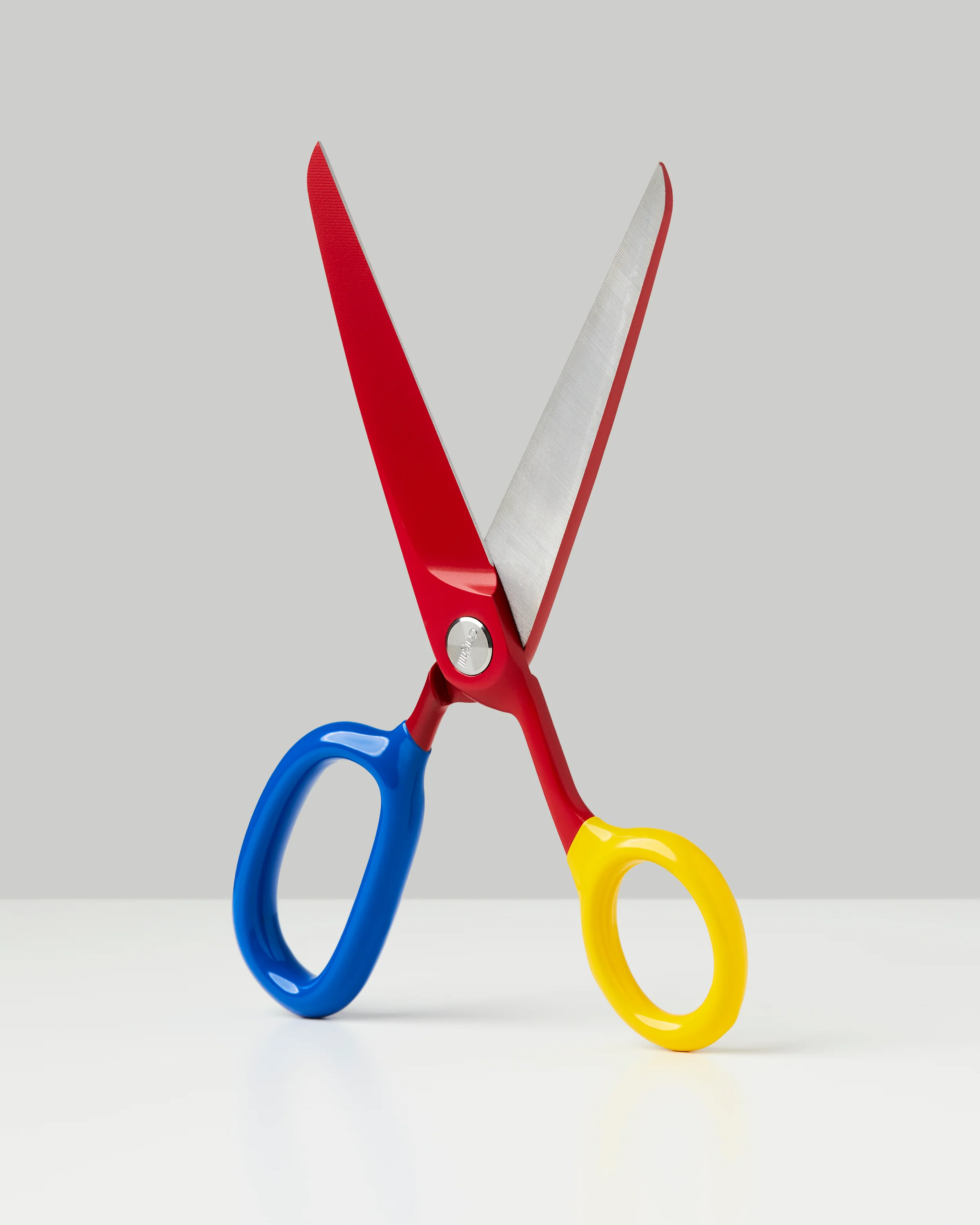
Chroma Scissors by Craighill
Image By Craighill — Chroma Scissors 2025
02 / Time Management

Time Management

Monday Tuesday Wednesday Thursday Friday Saturday Sunday
9–10am StudyAssignments/Moduels StudyAssignments/Moduels GRAP 1004:Digital Design Principles + Methods (2.5hrs) Dedicated dayfor homework catchup or life activites Work
10–11am ARCH 1001:Industrial Design Studio 1 — Foundation GRAP 1001:Drawing for Art + Design (ID) If not, then study/personal
11–12pm Drawing / 1001 Work (1hr seminar + 3hrs studio) Drawing / 1001 Work (1hr seminar + 2.5 hrs tutorial)
12–1pm
1–2pm Work Work ARCH 1001:Industrial Design Studio 1 — Foundation
2–3pm If not, then study/personal If not, then study/personal (1hr seminar + 3hrs studio)
3–4pm StudyAssignments/Moduels StudyAssignments/Moduels
4–5pm StudyAssignments/Moduels
5–6pm Drawing Drawing / 1001 Work
6–7pm Reflection / Assigments
7–8pm
03 / Design Process

Design Process… Theoretically

Step 01

The Idea

  • That moment when an idea lands in your mind you know you can't neglect.
  • Someone needs your help to fix this problem.
Step 02

Development

  • Grab out the sketchbook and draw and scribble the idea, turn a foggy mind picture into a legible or rough sketch.
  • Communicate with clients on what the problem is, how they want it fixed, or how they want it to look.
  • Look at inspiration, has this been made before or what features does the client want to incorporate.
Step 03

CAD

  • Use technology to design a 3D model.
  • Allow the client to visualise the end goal.
  • 3D print scale models.
  • Make adjustments based on feedback from scale models and clients needs.
  • Rapid prototype without needing to reconstruct a physical model every version.
Step 04

Materials & Refinement

  • Talk to industry about manufacturing.
  • Make adjustments to design based on building processes.
  • Source materials for construction
Step 05

Make It

  • Produse technical drawings
  • Create components (Self or manufacturer)
  • Assemble parts and components to build the product.
Step 06

Share

  • Deliver the product to the client
  • Build a portfolio of work to show to industry or companies or future customers
  • Reflect on variations for the future.
04 / Design Language

Design Language

This activity was designed to grow my vocabulary of design words and to develop detailed descriptions about a range of products.

Philips Shaver
Philips Shaver

A monochromatic electric shaver, featuring an asymmetrical side profiled handle with a curved form for grip. The three shavers are balanced to a triangular profile despite the curved edges and vertices for comfort and safety.

Tattoo Helmet
Tattoo Helmet

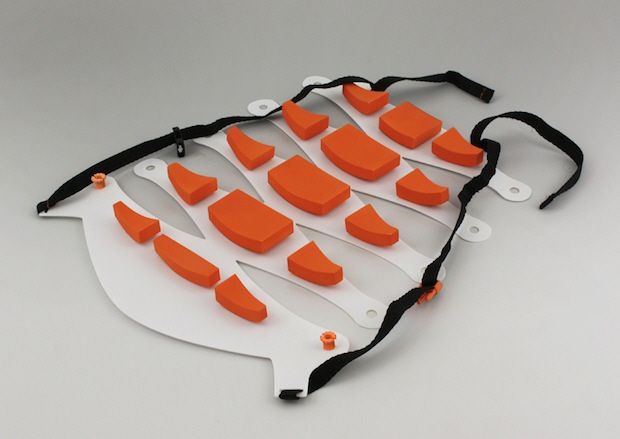
The Tatoo helmet constructed with an arrayment of five harmonious elements, balanced together with lines. The complexity is simplified with a pull of the strings, while the vibrant orange foam contrasts highly with the simple white shell.

Kettle
Kettle

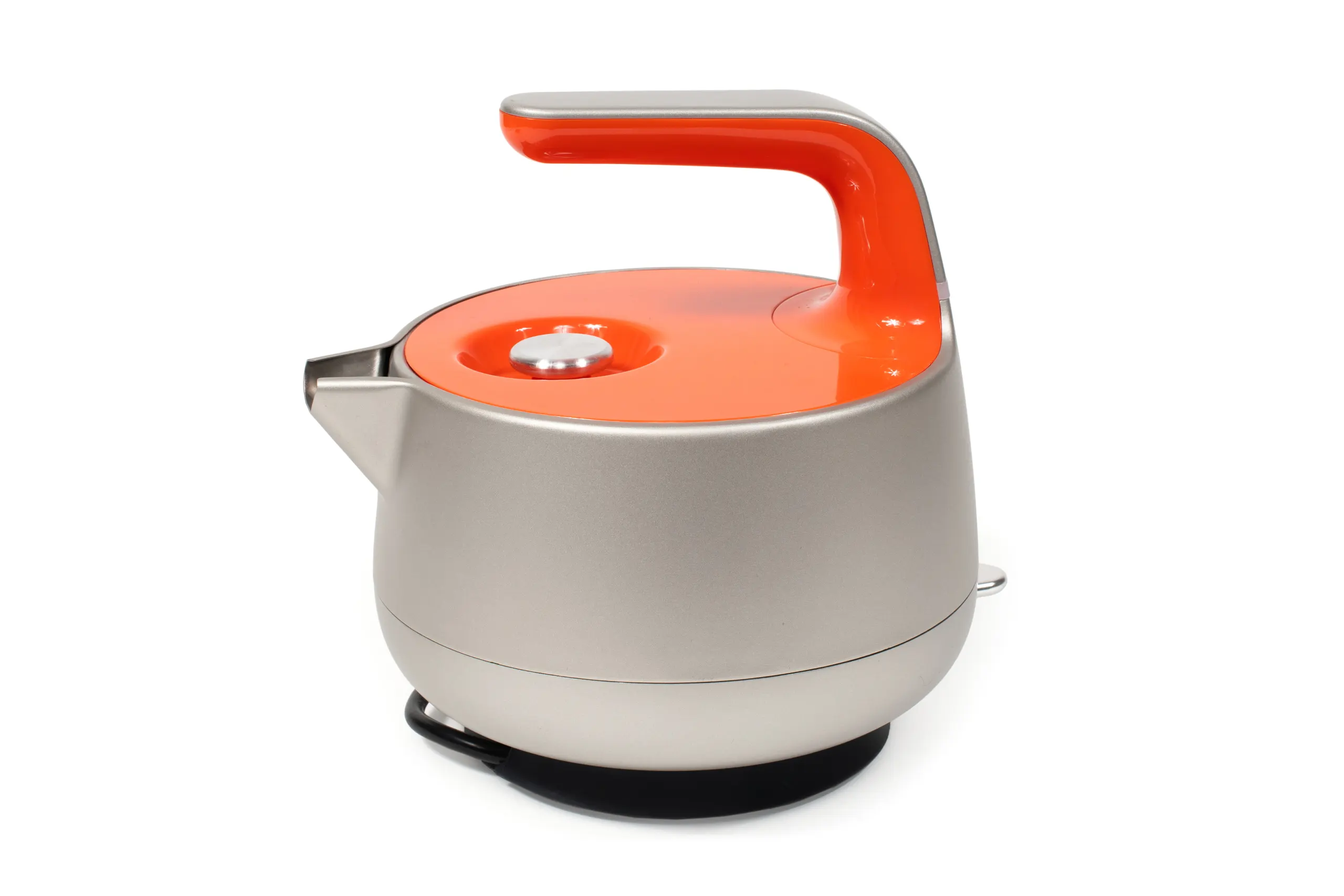
A circular stainless steel form, contrasted by a pop of bright orange handled lid, which creates the basis of the kettle. Resting on a chamfered low profile pedestal acting as a heating element.

Glass Stool
Glass Stool — Fenster Collection

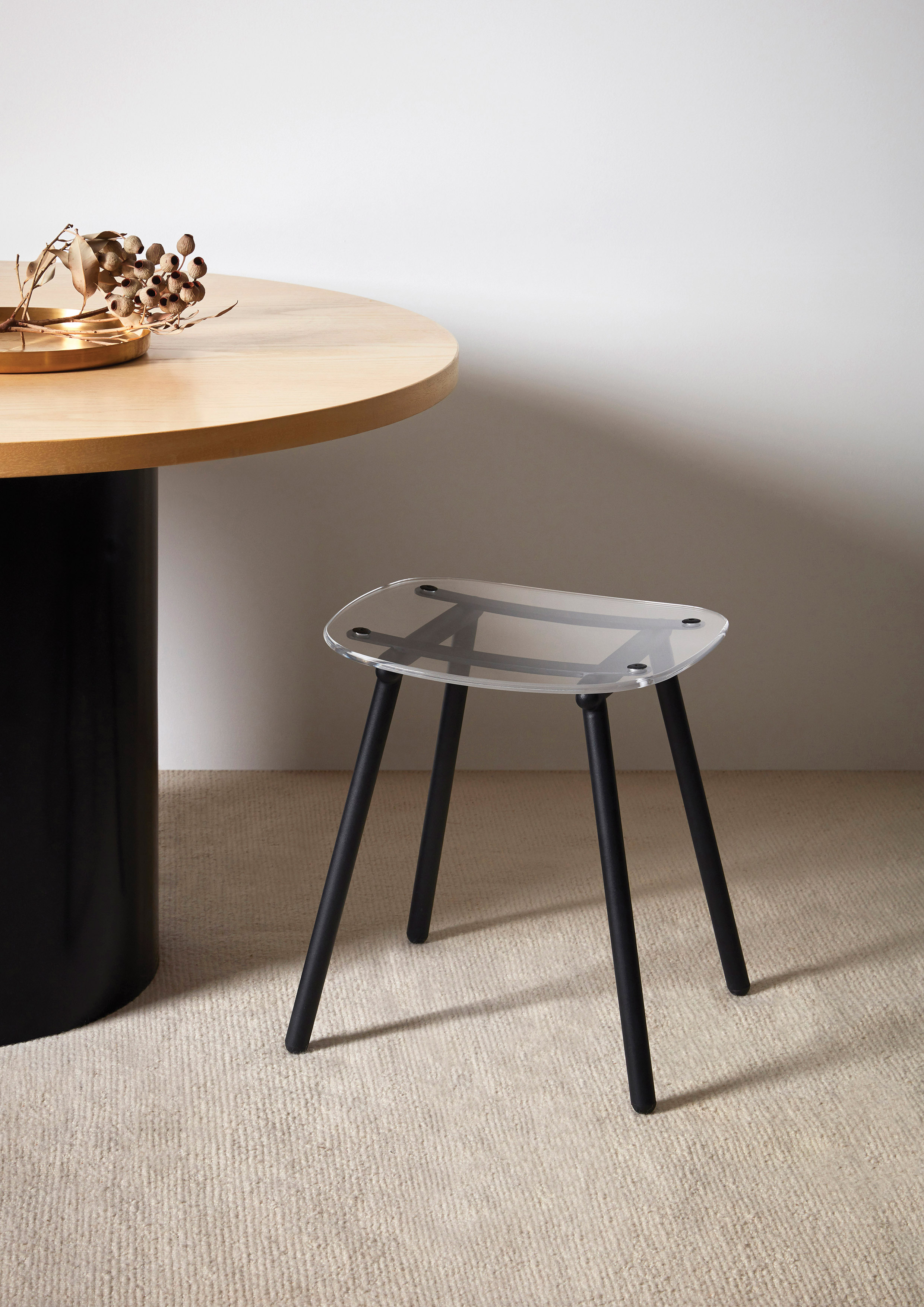
Such simple textures highlight linear form; the glass seating helping emphasis dark lines that construct the legs. The collection is a work of consistency, allowing for an environment to feel harmonious weather you have the chair or stool.

Chainsaw
Chainsaw

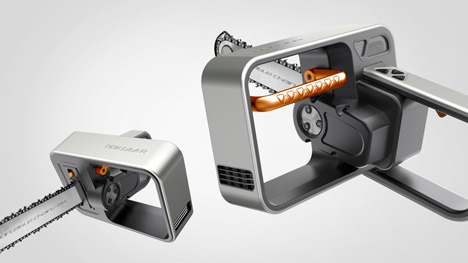
A diverse concept, featuring the love for squares. The steel textures provide contrast to the bright emphasised handle. Every edge perpendicular to another is beveled for a smooth ergonomic touch for the user.

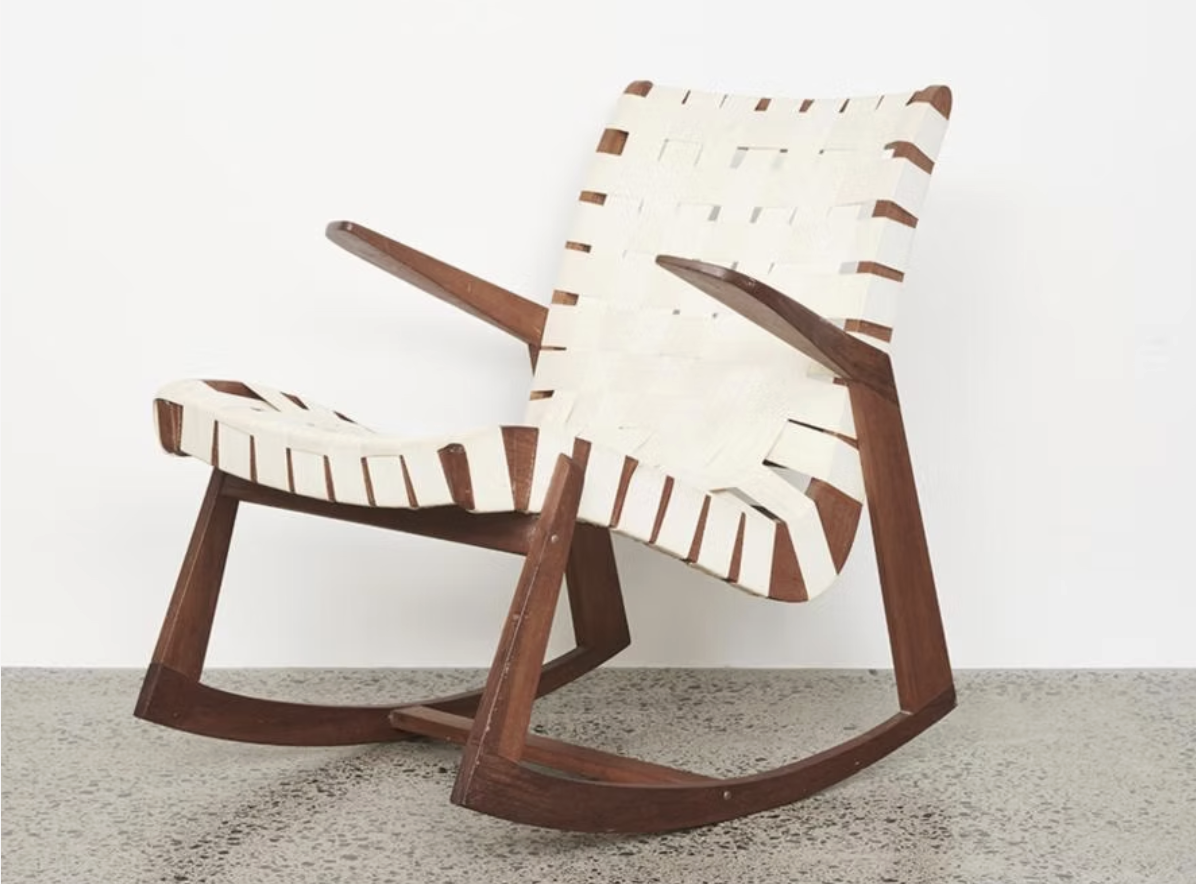
Rocking Chair
Rocking Chair

Although woods default form is straight, rectangular, and firm, the rocking chair breaks this appearance with its curved cut feet. the symmetry is aligned in a way so the weight of the chair stays balanced and doesn't rock too far back. The white leather straps supply a lightweight ergonomic and comfortable seating while visually emphasising the soft from the hard timber.

← Back to University Studies